
What Goes Into the Auto Repair Service of My Vehicle?
Owning a vehicle comes with the responsibility of keeping it running safely, efficiently, and reliably. Whether you're dealing with a sudden issue or scheduling routine maintenance, understanding what goes into a professional auto repair service can help you make informed decisions about your car's care. Many drivers rely on trusted technicians but may not always know what happens behind the scenes during an appointment.
From diagnostics to repairs and final inspections, every step plays a role in restoring your vehicle's performance. According to Consumer Affairs, from the beginning of 2022 to June 2024, repair costs have increased nearly 25%, making it even more important to understand the value of each service you receive. In this article, we'll break down the key components of an auto repair service so you know exactly what to expect.
Initial Vehicle Inspection and Customer Consultation
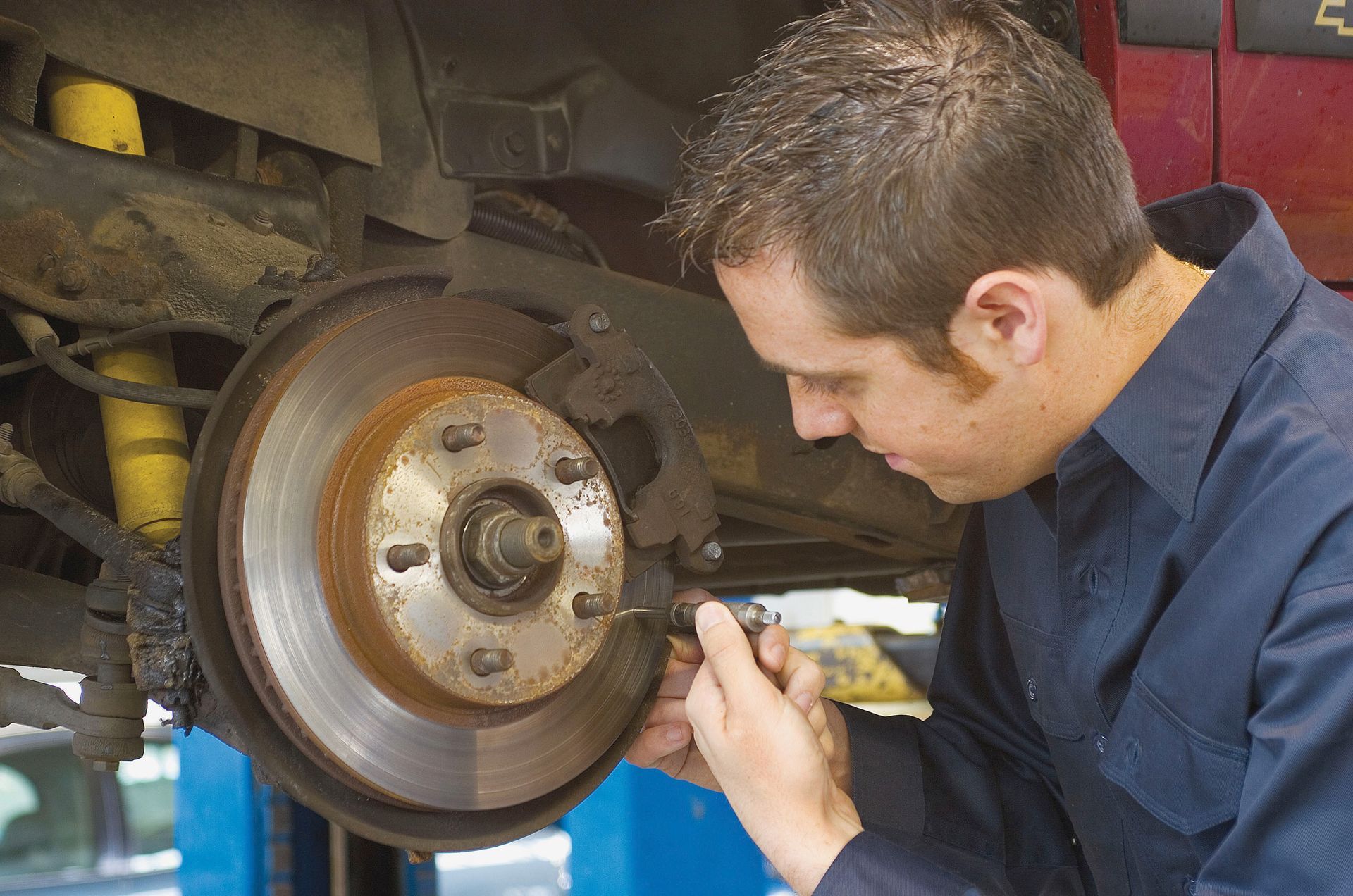
Every professional auto repair appointment begins with a conversation. When you bring your vehicle into the shop, technicians or service advisors will ask about any symptoms you've noticed. This might include unusual noises, warning lights, performance issues, or changes in how the car feels while driving.
After gathering this information, a visual inspection is typically performed. This allows technicians to quickly identify any obvious issues, such as leaks, worn components, or damaged parts. Even if the problem seems minor, this step helps create a clearer picture of your vehicle's condition before deeper diagnostics begin.
This stage also allows you to ask questions and share concerns. Clear communication helps technicians prioritize repairs and recommend the most effective solutions for your situation.
Advanced Diagnostic Testing and System Analysis
Modern vehicles rely heavily on computerized systems, which means diagnostics are a major part of any auto repair service. Technicians use specialized tools to scan your vehicle's onboard computer for error codes and system data.
These diagnostic tools help identify problems in areas such as:
- Engine performance
- Transmission function
- Electrical systems
- Emissions components
However, reading error codes is only the beginning. Skilled technicians interpret this data and combine it with their experience to pinpoint the root cause of the issue. In many cases, multiple systems are connected, so identifying the true source of a problem requires careful analysis.
This step is essential because it prevents unnecessary repairs and helps target the exact issue affecting your vehicle.
Detailed Repair Estimates and Service Planning
Once the problem has been identified, the next step is creating a detailed repair plan. Technicians or service advisors will provide an estimate that outlines the recommended services, parts, and labor required.
A typical estimate includes:
- The cost of replacement parts
- Labor charges
- Estimated completion time
- Any additional services that may be needed
This is your opportunity to review the proposed work and ask questions. Reputable repair shops take the time to explain what each service involves and why it's necessary.
Planning the repair process ahead of time helps avoid surprises and allows you to make informed decisions about your vehicle's care.
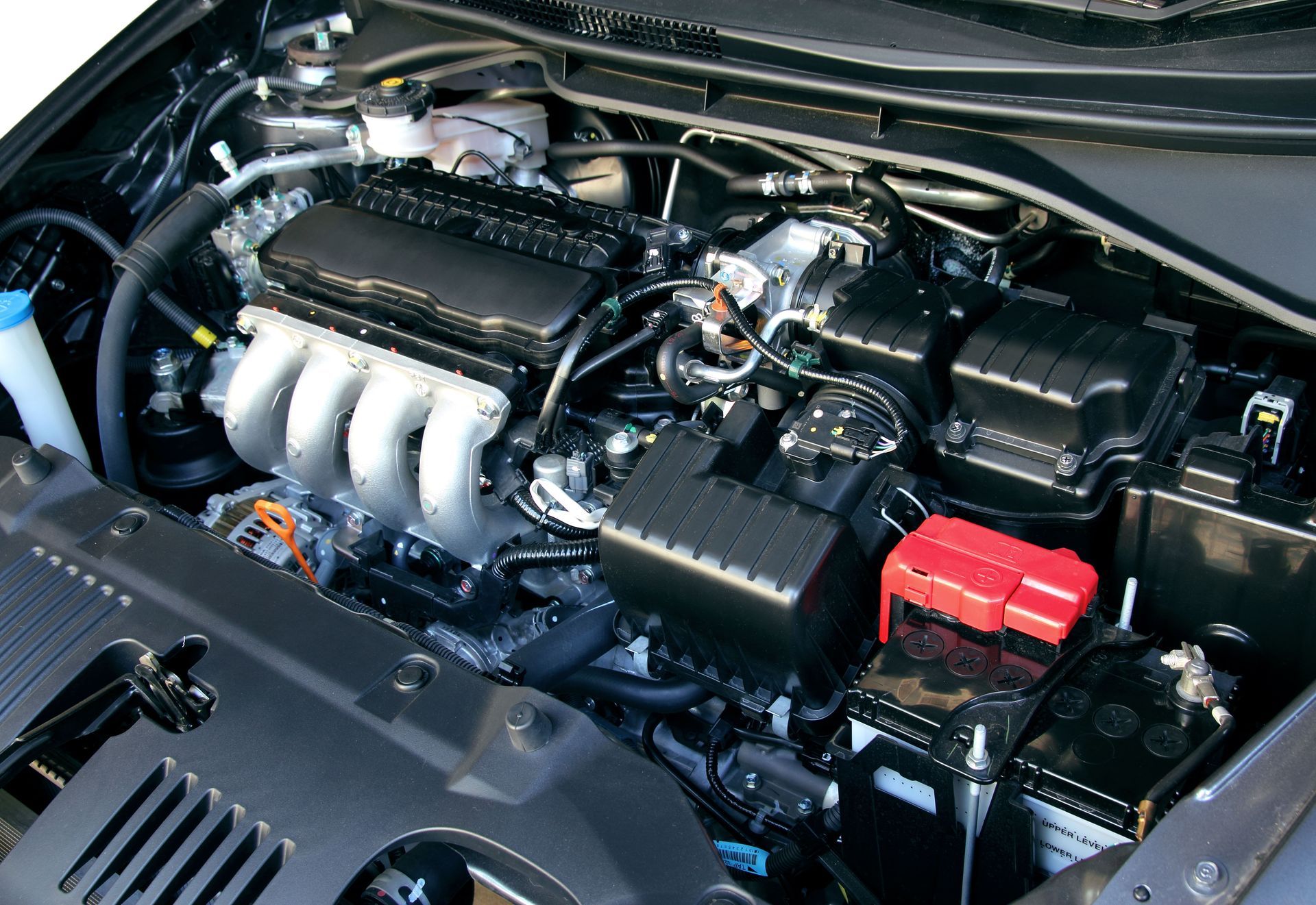
Engine Repair and Performance Restoration
The engine is the heart of your vehicle, so addressing engine-related issues is often a top priority. Engine repairs can range from simple fixes, such as replacing spark plugs, to more involved work like repairing internal components.
During this phase of auto repair, technicians focus on restoring performance, fuel efficiency, and reliability. Common engine-related services include:
- Diagnosing misfires or rough idling
- Repairing or replacing sensors
- Addressing overheating issues
- Fixing oil leaks
Each repair is carried out using precise tools and techniques to meet manufacturer specifications. Proper engine repair not only resolves current issues but also helps prevent future breakdowns.
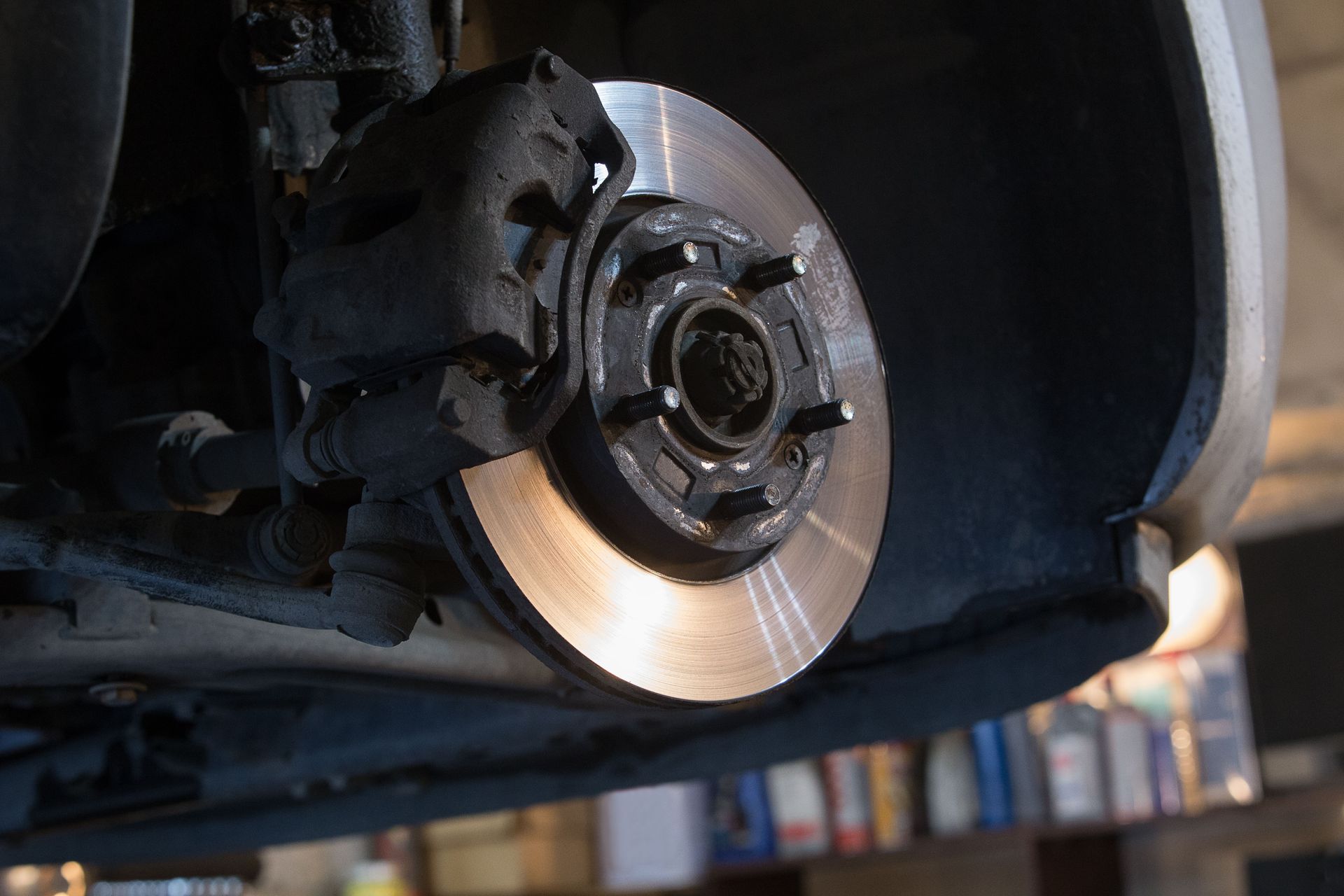
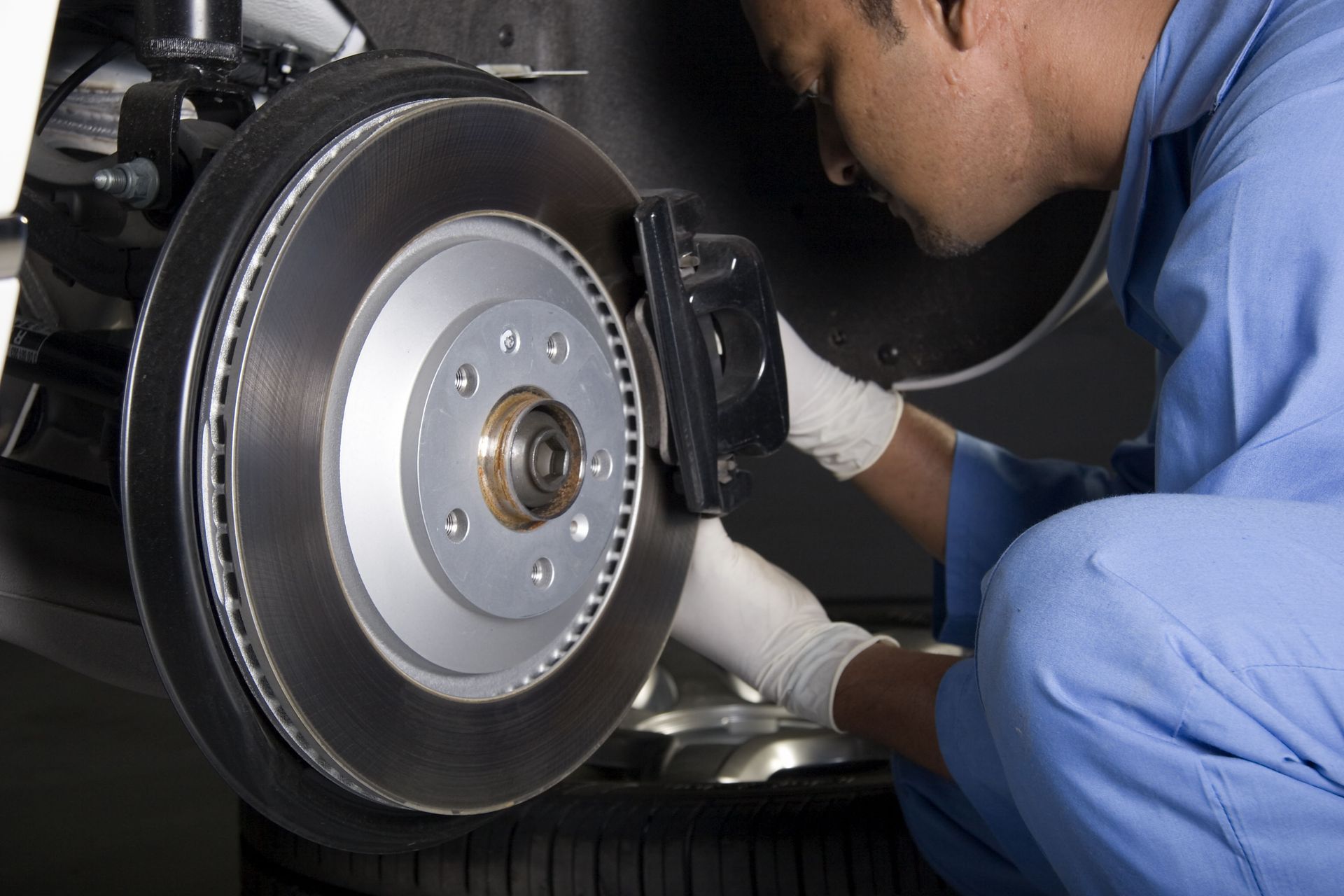
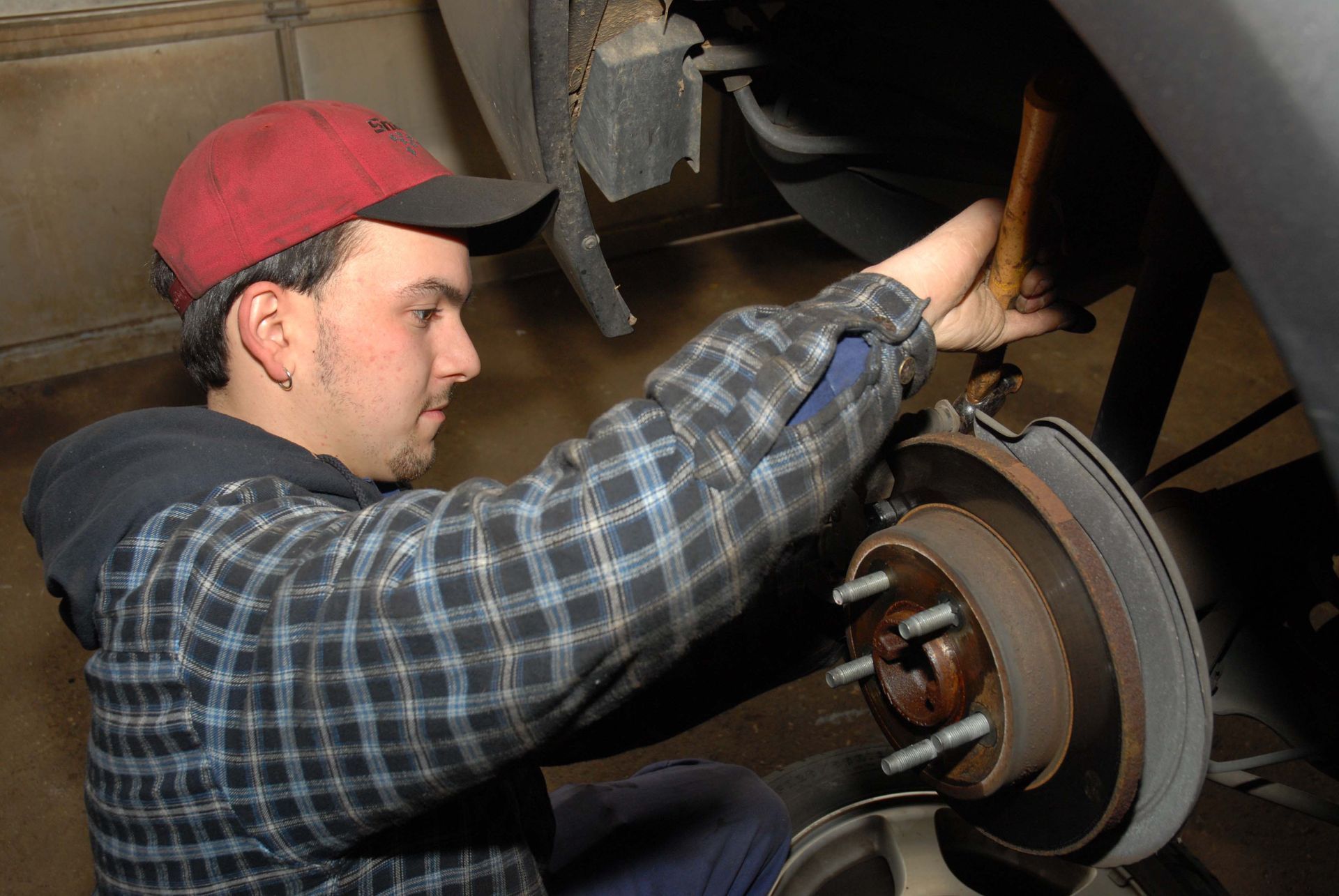
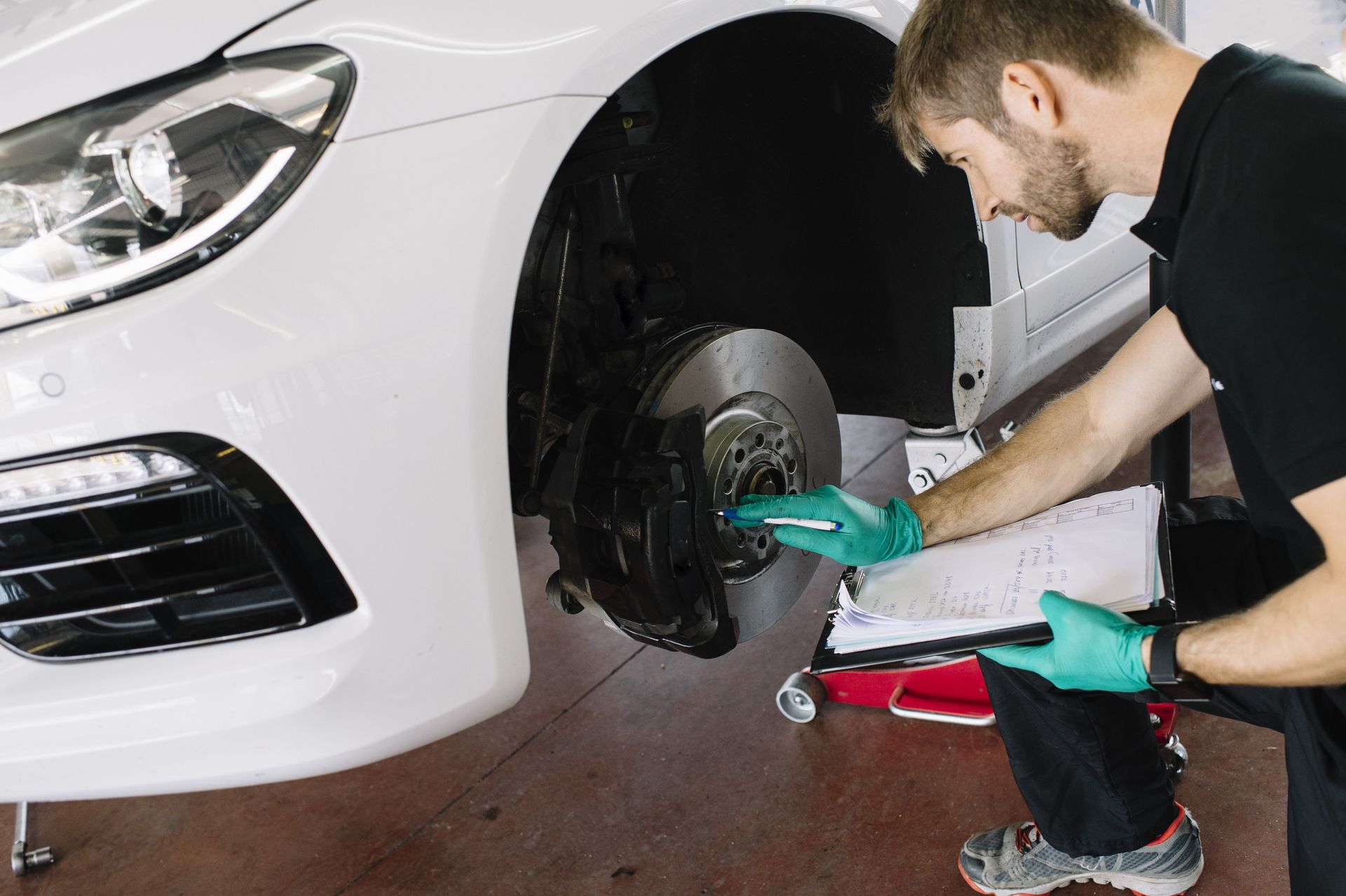
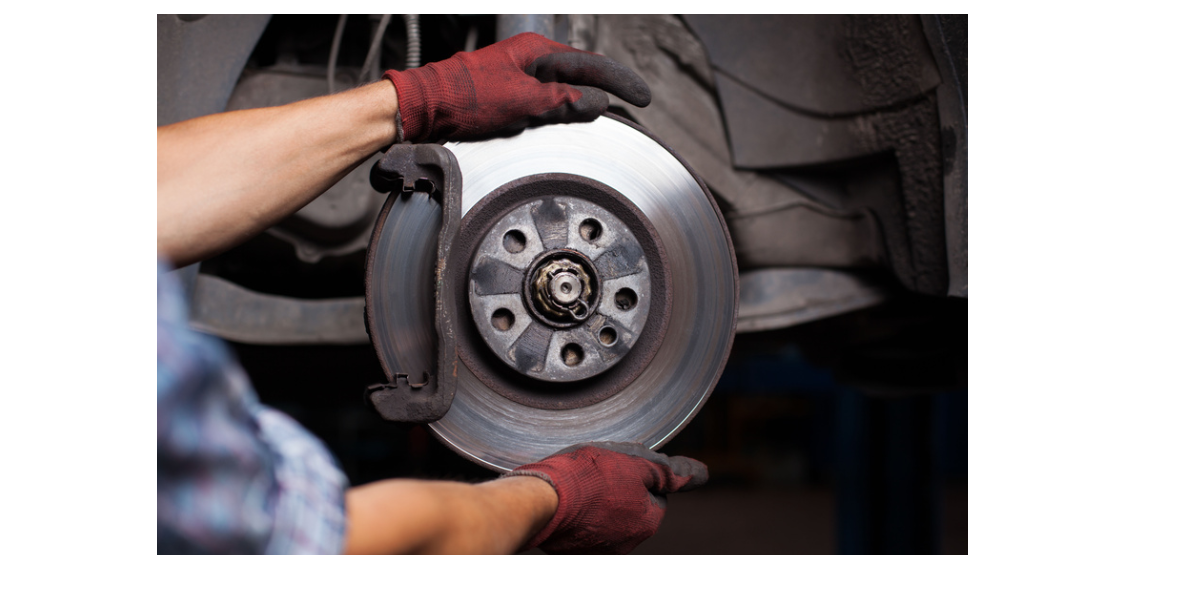
Brake Service and Safety System Checks
Your vehicle's braking system is one of its most critical safety features. That's why brake inspections and repairs are a standard part of many service appointments.
Technicians will examine components such as:
- Brake pads and rotors
- Brake fluid levels and condition
- Calipers and brake lines
If any parts are worn or damaged, they will be repaired or replaced to restore proper braking performance. Ignoring brake issues can lead to longer stopping distances and increased safety risks, so timely service is essential.
In addition to repairs, technicians may also perform adjustments or fluid replacements to keep the system functioning smoothly.
Transmission Service and Drivetrain Repairs
The transmission and drivetrain are responsible for transferring power from the engine to the wheels. When these systems experience issues, you may notice slipping gears, delayed shifting, or unusual vibrations.
Transmission services can include:
- Fluid changes or flushes
- Clutch repairs
- Gearbox adjustments
- Complete transmission rebuilding
Because these systems are complex, repairs require specialized knowledge and equipment. Addressing transmission problems early can help prevent more extensive damage and costly repairs down the line.
Drivetrain components, such as axles and driveshafts, are also inspected and repaired as needed to maintain smooth power delivery.
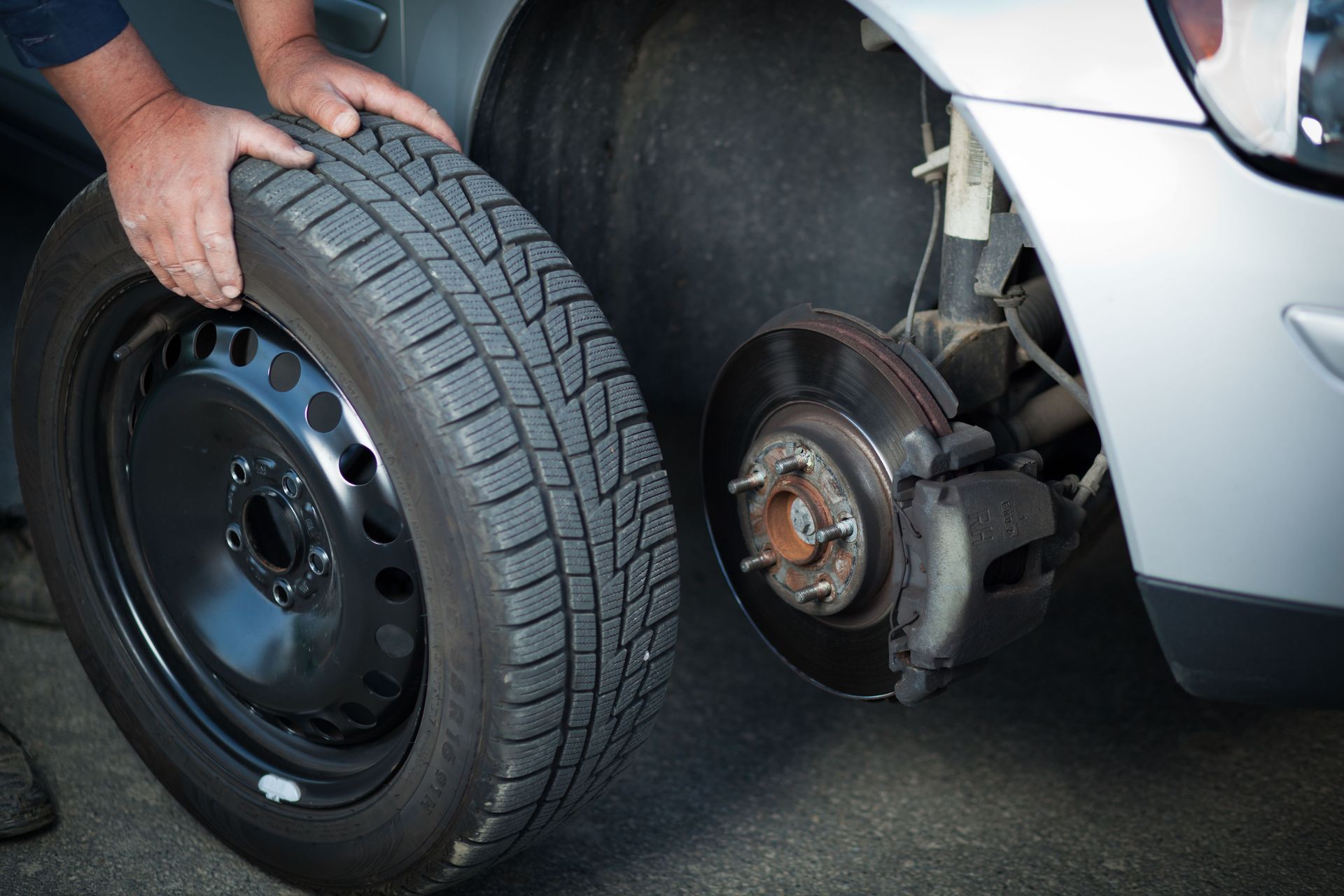
Steering and Suspension System Adjustments
A smooth and controlled ride depends on a properly functioning steering and suspension system. These components work together to maintain stability, absorb road impacts, and provide responsive handling.
During this stage of an auto repair service, technicians check:
- Shocks and struts
- Ball joints and control arms
- Steering linkage components
- Wheel alignment
If any parts are worn or out of alignment, adjustments or replacements are made. Proper suspension and steering maintenance not only improves comfort but also enhances safety and tire longevity.
Electrical System Repairs and Component Testing
Modern vehicles rely on a wide range of electrical systems, from basic lighting to advanced driver-assistance features. Electrical issues can be challenging to diagnose, but they are an important part of many repair services.
Technicians test components such as:
- Batteries and charging systems
- Alternators and starters
- Wiring and connectors
- Sensors and control modules
If faults are detected, repairs may involve replacing components, repairing wiring, or recalibrating systems. Addressing electrical issues promptly helps prevent further complications and keeps your vehicle's technology functioning as intended.
Air Conditioning Service and Climate Control Repairs
Comfort is another key aspect of vehicle maintenance, especially during extreme weather conditions. Air conditioning and climate control systems require regular attention to remain effective.
Common AC services include:
- Recharging refrigerant levels
- Repairing leaks
- Replacing compressors or condensers
- Cleaning or replacing cabin air filters
A properly functioning climate control system not only improves comfort but also contributes to better air quality inside the vehicle.
Quality Control Inspection and Final Testing
Before your vehicle is returned to you, a final inspection is performed to verify that all repairs have been completed correctly. This step is an important part of the auto repair process.
Technicians may:
- Recheck repaired components
- Test drive the vehicle
- Confirm that warning lights are resolved
- Verify overall performance
This quality control process helps confirm that your vehicle is safe and ready for the road. It also gives technicians the opportunity to catch any issues that may have been overlooked during earlier stages.
Customer Communication and Service Follow-Up
Once the repairs are complete, the final step involves reviewing the work with you. Service advisors will explain what was done, provide maintenance recommendations, and answer any remaining questions.
You may also receive documentation that outlines:
- Completed repairs
- Parts replaced
- Warranty information
- Suggested future services
Some repair shops follow up after your visit to check on your satisfaction and confirm that your vehicle is performing well. This ongoing communication helps build trust and supports long-term vehicle care.
If your vehicle is due for service or showing signs of trouble, don't wait to take action. Contact Bradford Autocare LLC today to keep your car running smoothly and safely for miles to come.


Share On: