
The Benefits of Consistent Brake Repair
Proper vehicle maintenance is key to ensuring a long lifespan and optimal performance for your car. A critical element of vehicle care is consistent brake repair. Brakes are essential for safety, providing the stopping power necessary to avoid accidents and maintain control of your vehicle. Beyond safety, regular brake repair can lead to cost savings and improved vehicle performance. This article will explore the various benefits of consistent brake repair, from safety advantages to environmental impacts, providing insights into why you should prioritize this maintenance task. Making brake repair part of your regular service routine helps protect not only your vehicle but also everyone who rides in it.
1. Enhanced Safety
1.1 Reduced Risk of Brake Failure
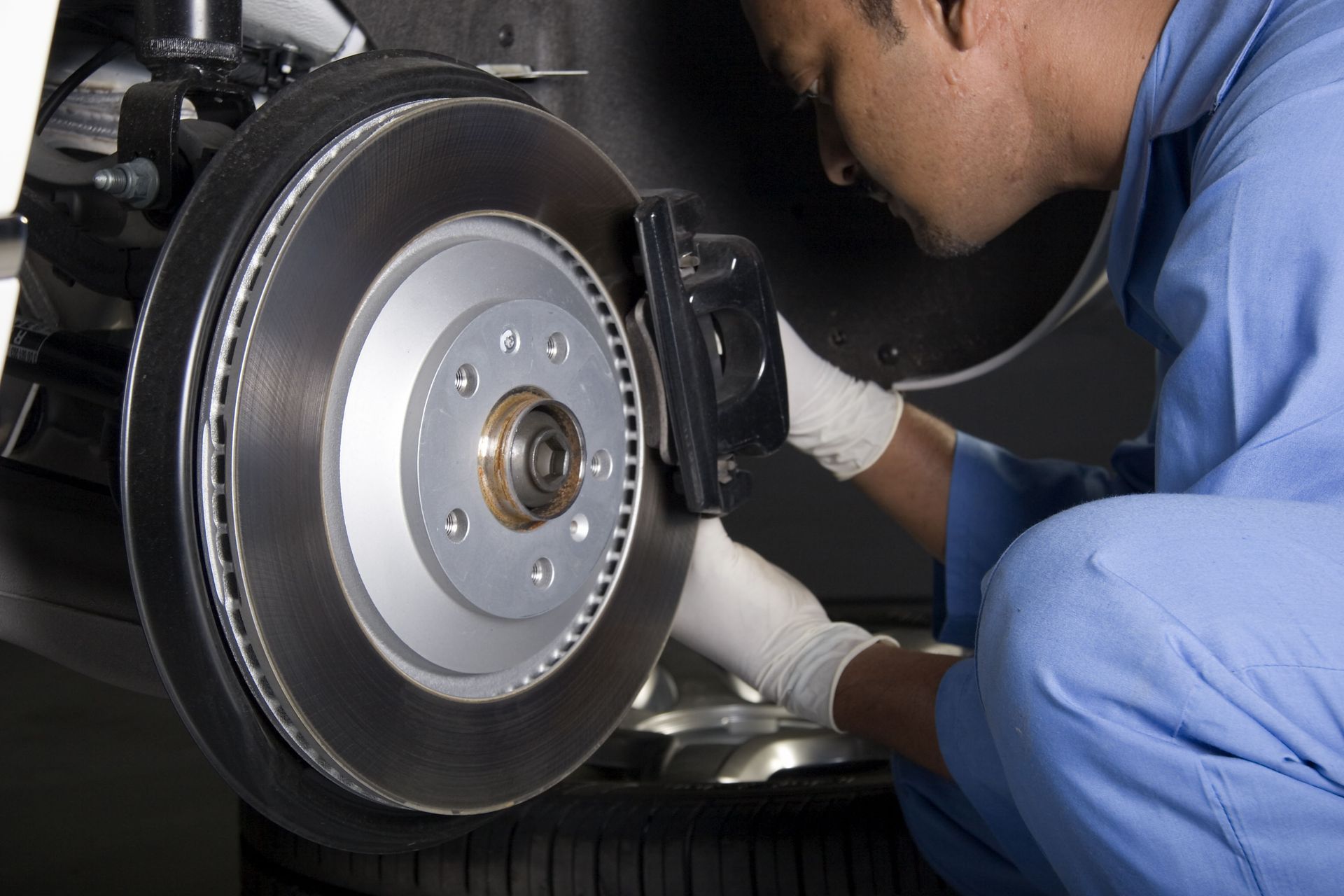
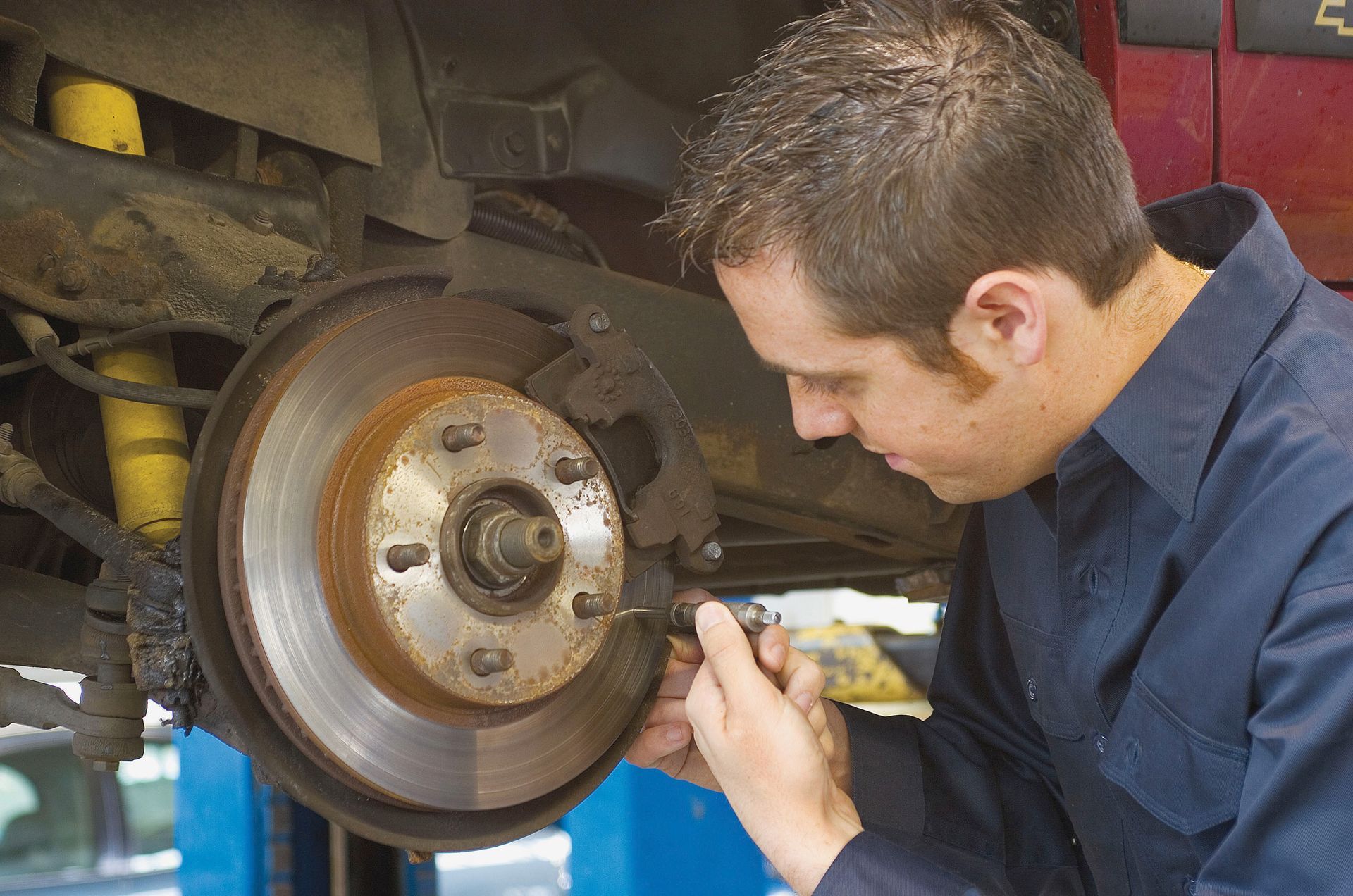
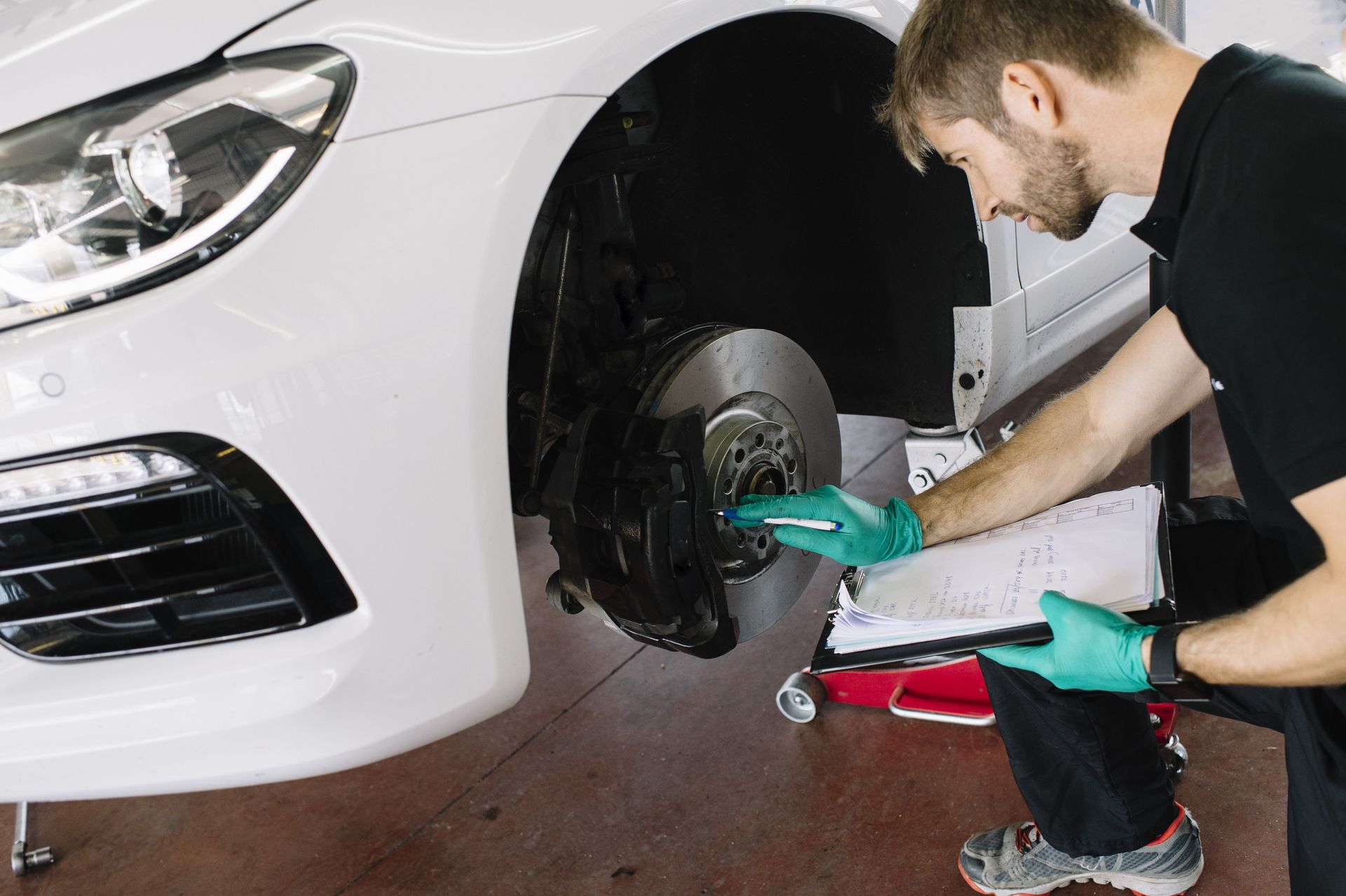
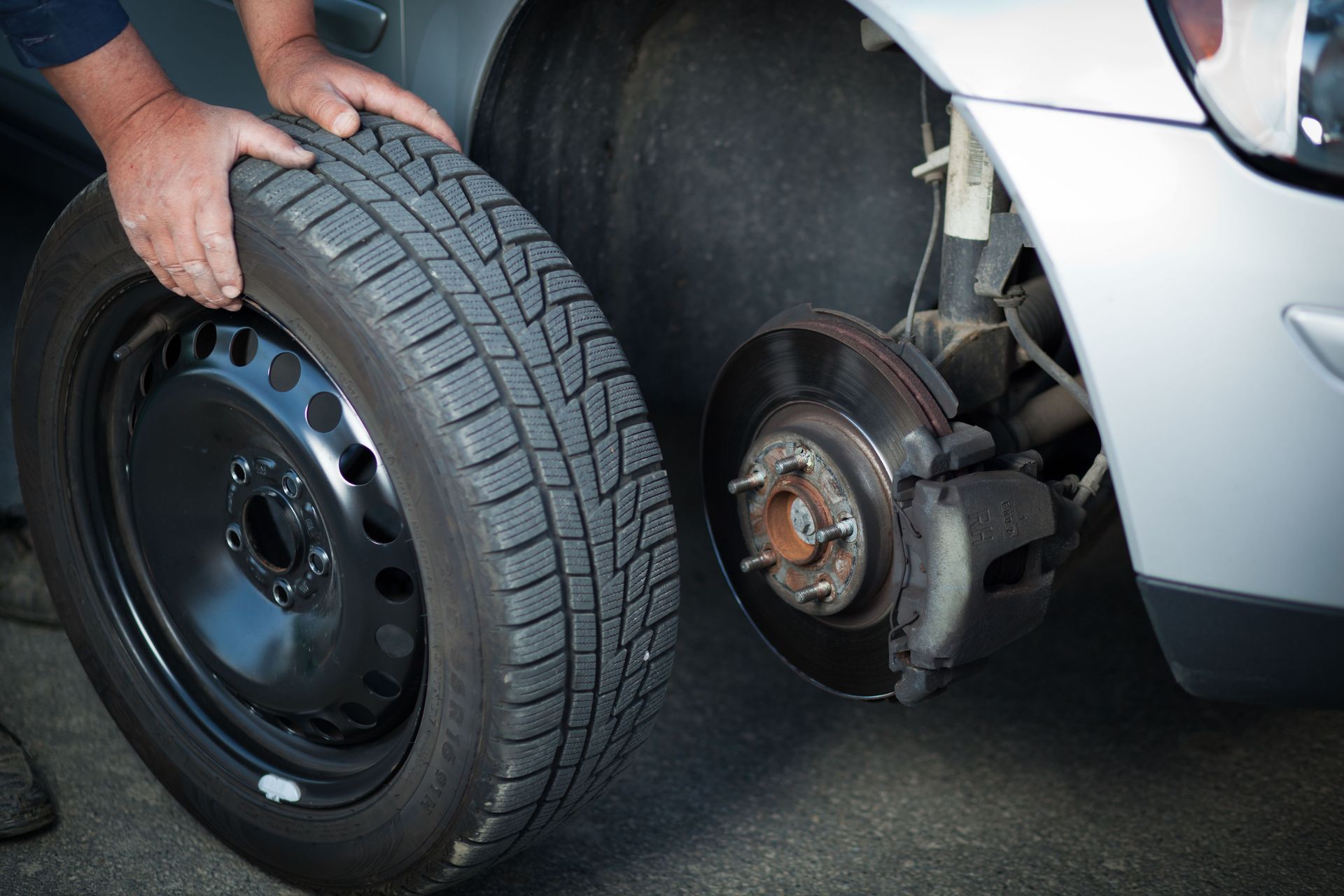
Regular brake maintenance significantly reduces the risk of sudden brake failure. During routine inspections, a professional mechanic can identify wear and tear, enabling early intervention before a critical failure occurs. This proactive approach ensures your brakes are always in optimal condition, providing you with confidence every time you drive. Consistently checking your brake pads when rotating your tires, as recommended by experts like Allstate, can prevent unforeseen issues. When brakes are maintained through timely brake repair, drivers can trust their vehicles will perform reliably under normal and emergency conditions.
1.2 Improved Stopping Distance
One of the primary functions of a well-maintained brake system is to provide a shorter stopping distance. As brake pads and rotors degrade, their ability to generate friction diminishes, jeopardizing stopping power. By addressing brake repair consistently, braking performance stays sharp and responsive. Mechanics regularly inspect and service your brakes, ensuring your vehicle stops promptly when needed. Trustworthy brakes translate to enhanced reaction times, which are critical when unpredictable road obstacles appear.
1.3 Better Control in Adverse Conditions
Driving in adverse conditions such as rain or snow can be challenging, but properly maintained brakes help manage these situations. The responsive action offered by well-tuned brakes allows for greater vehicle control on slick or uneven surfaces. Consistent brake repair ensures that anti-lock braking systems (ABS) function efficiently, further enhancing control. This is particularly important during inclement weather, where stopping and steering must align closely with safety needs. Therefore, regular brake care enhances driver confidence, regardless of the weather.
1.4 Prevention of Accidents
Accidents often occur due to inadequate braking capabilities. By keeping brakes in top shape with ongoing brake repair, you significantly reduce the risk of collision by ensuring quick and effective stops. An updated brake system prevents excessive skidding and retains vehicle control, contributing to overall safety. Mechanics can diagnose issues early, mitigating the potential causes of brake-related accidents. Regular attention to brake systems saves lives by keeping them running smoothly and efficiently.
1.5 Increased Peace of Mind
There is a profound sense of security when you know your vehicle's brakes are reliable. Consistent brake repair contributes to this peace of mind, affirming that your car is equipped to handle emergency stops or high-traffic driving. Knowing that both minor and major issues are regularly checked and resolved by professionals increases your confidence in the vehicle. This confidence allows you to drive more relaxed and focused, concentrating on the road rather than worrying about potential brake failures. Peace of mind is an invaluable benefit of maintaining proper brake function.
2. Cost Savings in the Long Run
2.1 Preventing Major Repairs
Regular maintenance and minor repairs are often much more affordable than major overhauls. When brake issues are addressed as soon as they occur through prompt brake repair, it's less likely extensive damage will require expensive solutions. Routine check-ups catch minor concerns early, preventing escalation into significant problems. This foresight saves you money, allowing you to allocate funds for other expenses rather than unexpected, costly repairs. Proactively managing brake health keeps overall maintenance spending under control.
2.2 Avoiding Costly Part Replacements
Servicing your brakes regularly helps avoid the need for costly part replacements. Regular inspections ensure that parts like rotors, pads, and calipers remain within serviceable limits. Mechanics can resurface rotors and replace brake pads before wear becomes excessive, preventing damage to more expensive components. This preemptive care, combined with scheduled brake repair, leads to fewer replacements over the vehicle's life. Coupled with checks every six months during tire rotations, such vigilance prevents part wear from escalating into unnecessary expenses.
2.3 Lowering Insurance Premiums
Maintained vehicles are often viewed favorably by insurance companies, potentially leading to lower premiums. Safety features, including a fully functional braking system, play a crucial role in determining insurance costs. Regular brake repair minimizes the risk of accidents, which lowers the vehicle's overall risk profile. Consequently, insurance providers may offer better premium rates for well-maintained cars. This financial benefit underscores how consistent brake care can yield long-term savings beyond direct maintenance costs.
2.4 Enhancing Vehicle Longevity
Consistent brake maintenance contributes to the overall longevity of your vehicle. Addressing wear in its early stages through professional brake repair prevents the strain and congestion that neglected brakes can cause. An effective braking system reduces wear on other parts, allowing them to function longer without replacement or repair. Such comprehensive care keeps the vehicle running efficiently through its lifecycle. Investing in regular upkeep provides dividends in the form of extended vehicle lifespan and reliability.
2.5 Increasing Fuel Efficiency
Well-maintained brakes can improve fuel efficiency by ensuring smoother handling and decreased rolling resistance. When brakes rub or stick due to poor maintenance, they create additional drag, overworking the engine and increasing fuel consumption. Regular brake repair eliminates these issues, allowing the vehicle to move more freely and efficiently. Efforts put into maintaining brake systems directly correlate to reduced fuel usage. This translates to tangible cost savings on gas over time.
2.6 Understanding Recommended Maintenance Intervals
Professional recommendations emphasize the significance of adhering to consistent maintenance intervals. According to All State, checking brake systems every six months provides baseline coverage to identify existing or emerging concerns. Scheduled servicing often includes a detailed brake repair assessment, evaluating component wear and functionality. Keeping an eye on brake fluid quality and pad thickness allows for timely interventions. Following professional timelines supports ongoing reliability and maximized longevity for your vehicle’s braking components.
3. Increased Vehicle Performance
3.1 Smoother Driving Experience
The responsiveness gained from a properly maintained brake system enhances driving satisfaction. Regularly updated components through routine brake repair provide seamless performance, reducing jerky stops and starts that detract from a pleasant drive. Mechanics restore braking systems to their peak capability, resulting in a smooth flow and better overall ride quality. As a result, drivers and passengers can enjoy more comfortable travels. A consistent and effortless brake response is key to elevating the driving experience.
3.2 Enhanced Brake Responsiveness
A highly responsive braking system is critical in high-speed or emergency situations. Thorough brake repair and maintenance optimize response time and sensitivity, allowing drivers to react quickly and safely. Regular inspections check for fluid leaks, air within brake lines, and pad wear, all contributors to delayed response. With these issues addressed, the braking system provides instantaneous feedback to the driver's input. Enhanced responsiveness is crucial in avoiding hazards and maintaining control in challenging driving conditions.
3.3 Optimal Brake Pad Performance
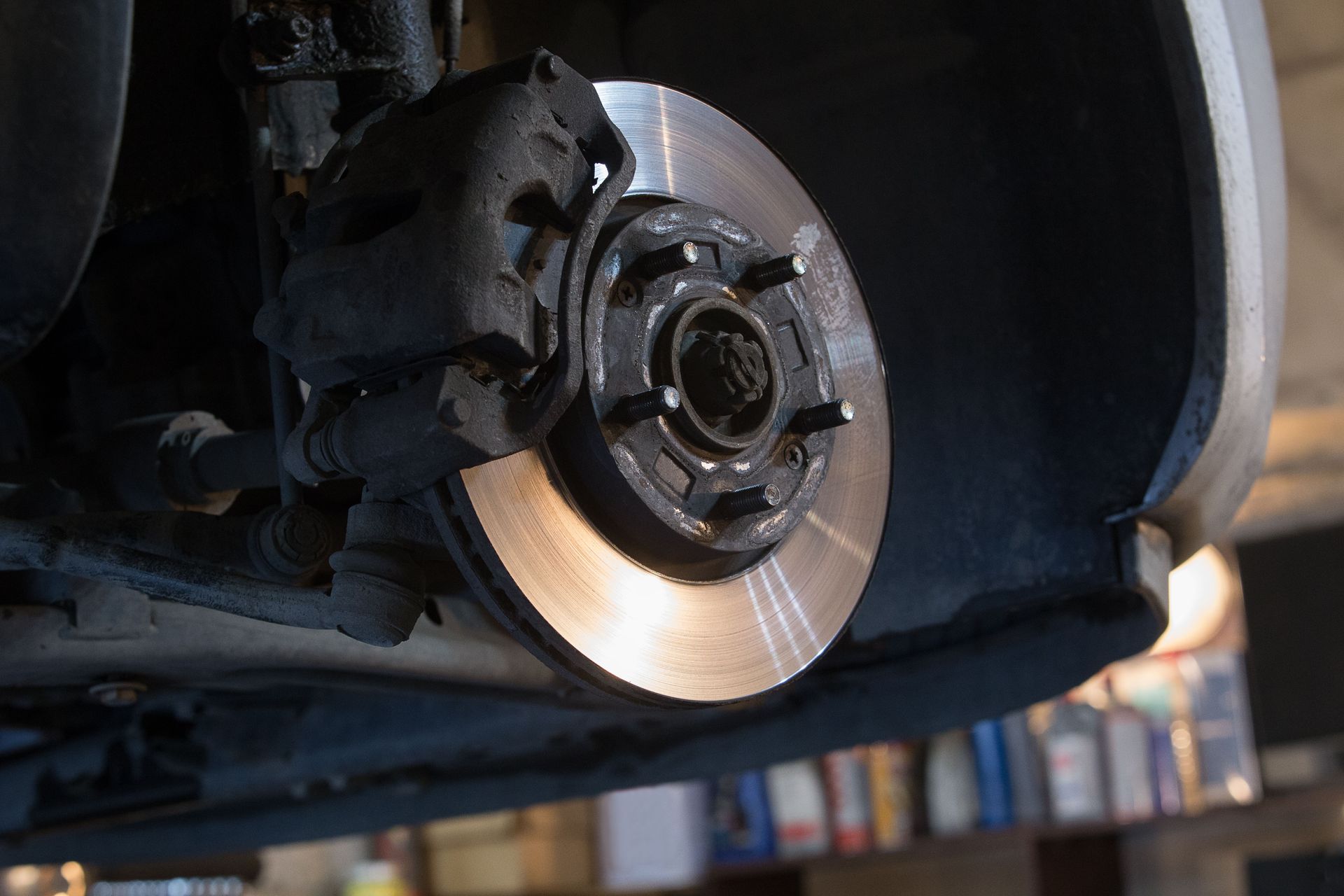
Brake pads are fundamental in generating stopping power through friction. A professionally maintained braking system enhances pad effectiveness by ensuring sufficient thickness and quality contact with rotors. Regular inspections and brake repair manage wear evenly, preventing poor performance and excessive noise. With consistent service, brake pads deliver optimal friction levels, maximizing stopping force. Optimal pad performance greatly influences the overall safety and effectiveness of a car’s braking capabilities.
Consistent brake repair offers a multitude of benefits, including enhanced safety, cost savings, and improved vehicle performance. It supports long-term reliability, protects resale value, and contributes to environmental responsibility. With guidance from professional mechanics and a commitment to routine service intervals, drivers can maintain dependable braking systems year-round. Prioritizing brake repair not only safeguards immediate driving conditions but also strengthens overall vehicle health for years to come. This steady commitment fosters peace of mind, financial savings, and a safer experience on every journey. Contact Bradford Autocare LLC today for more.

Share On: