
Can I Delay My Vehicle's Maintenance if I Don't Feel the Repair Is Needed?
In today's fast-paced world, vehicle maintenance often takes a backseat until it's necessary. With busy schedules and financial constraints, many drivers consider skipping or delaying maintenance if their vehicle seems to be working fine. This article delves into the consequences and considerations of postponing vehicle repairs and maintenance tasks, even when they don't seem immediately necessary. Understanding the impact of such decisions is crucial, as it affects not only the longevity of the vehicle but also the safety of its passengers and other road users. Through a comprehensive analysis, we aim to highlight why regular maintenance should not be ignored and discuss strategies for managing it efficiently.
Understanding Vehicle Maintenance Basics
The Purpose of Regular Maintenance
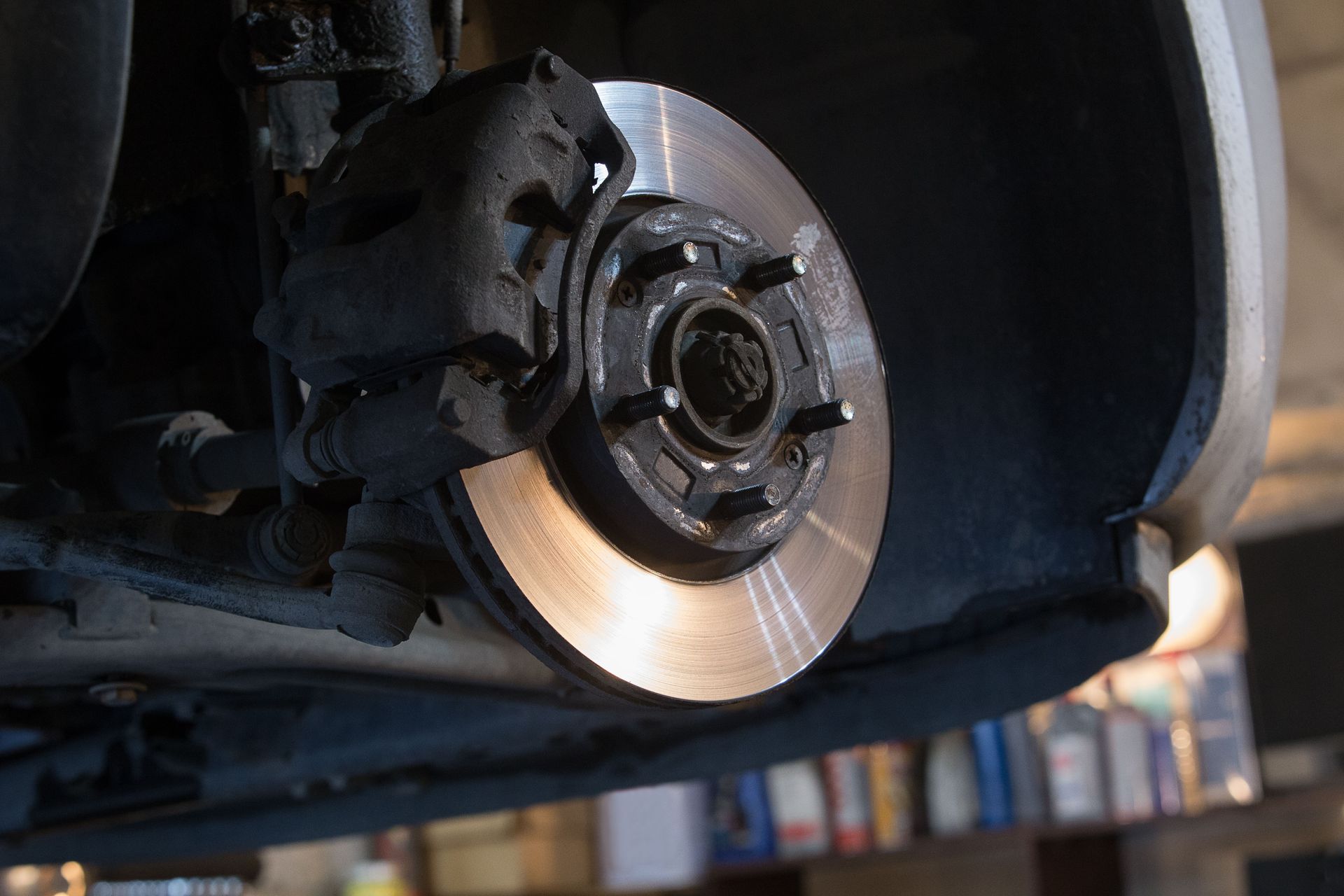
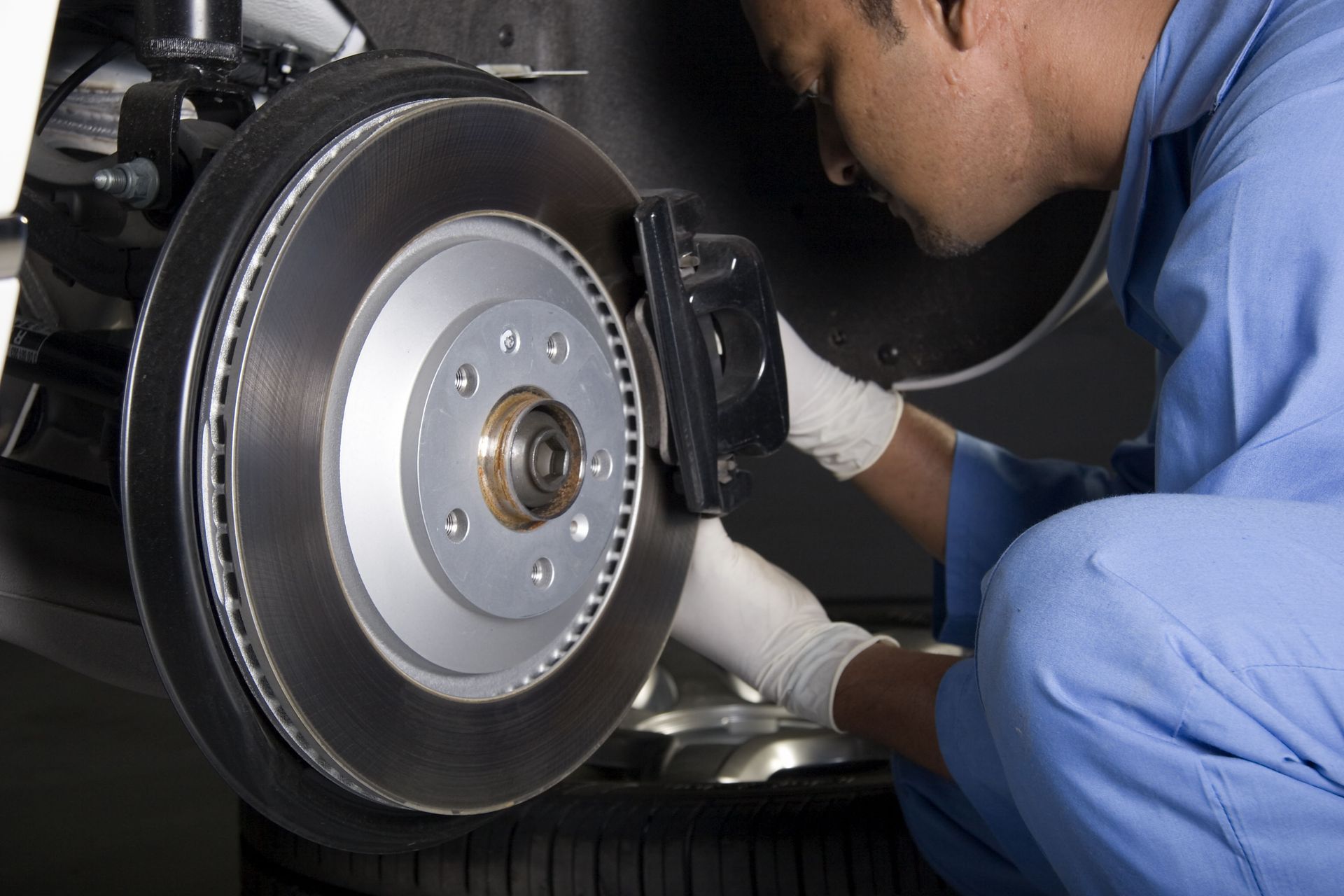
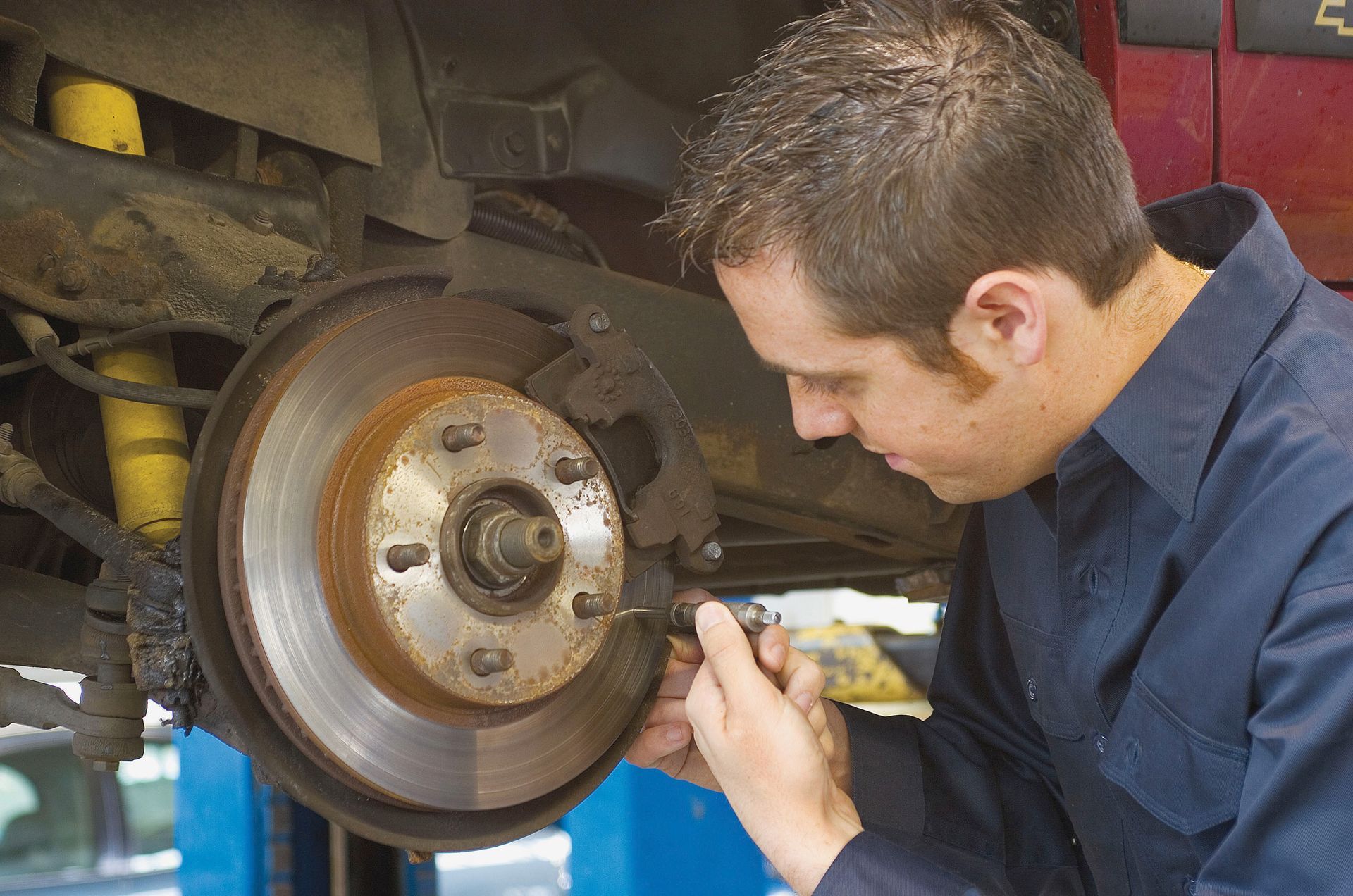
Regular vehicle maintenance is akin to a routine health check-up for your car. It is designed to prevent potential issues from escalating into costly repairs by ensuring that all parts are functioning correctly. Scheduled maintenance tasks often include oil changes, brake checks, and tire rotations, which collectively contribute to the vehicle's optimal performance. Compliance with the recommended maintenance schedule helps in identifying and fixing minor issues before they lead to significant problems. More importantly, it ensures that the vehicle remains fuel-efficient and safe for daily use.
Consistent maintenance enhances the vehicle's lifespan by reducing the wear and tear inflicted by daily operations. Lubricating moving parts, replacing fluid and filters, and inspecting essential components prevent deterioration. A well-maintained vehicle is less likely to suffer from severe breakdowns, which can be inconvenient and expensive in the long run. By adhering to the maintenance schedule, vehicle owners can also maintain their car's resale value. Ensuring that the vehicle is in top condition benefits the owner financially and extends the vehicle's serviceable life.
Regular maintenance also involves adhering to the manufacturer's guidelines, which are specifically tailored for each vehicle model. These guidelines are based on extensive research and testing by the manufacturer, providing a roadmap for keeping the vehicle running efficiently. Ignoring these recommendations can void warranties, which might otherwise cover the cost of repairs should a significant issue arise. Following the manufacturer's maintenance plan preserves warranty coverage and protects the owner from unforeseen expenditures if such issues occur. Therefore, regular maintenance is an investment in both the vehicle's performance and the owner's peace of mind.
Commonly Overlooked Maintenance Tasks
Routine maintenance tasks often play a pivotal role in ensuring a vehicle's longevity and reliability, yet some are commonly neglected. Tasks like changing the cabin air filter, inspecting the serpentine belt, and replacing spark plugs frequently get overlooked. These components, though small, have significant roles in the overall functionality of a vehicle. Ignoring these parts can lead to diminished air quality inside the vehicle, accessory failures, or misfiring engines. Ensuring these parts are routinely checked can prevent inconvenient breakdowns and extend the vehicle's life span.
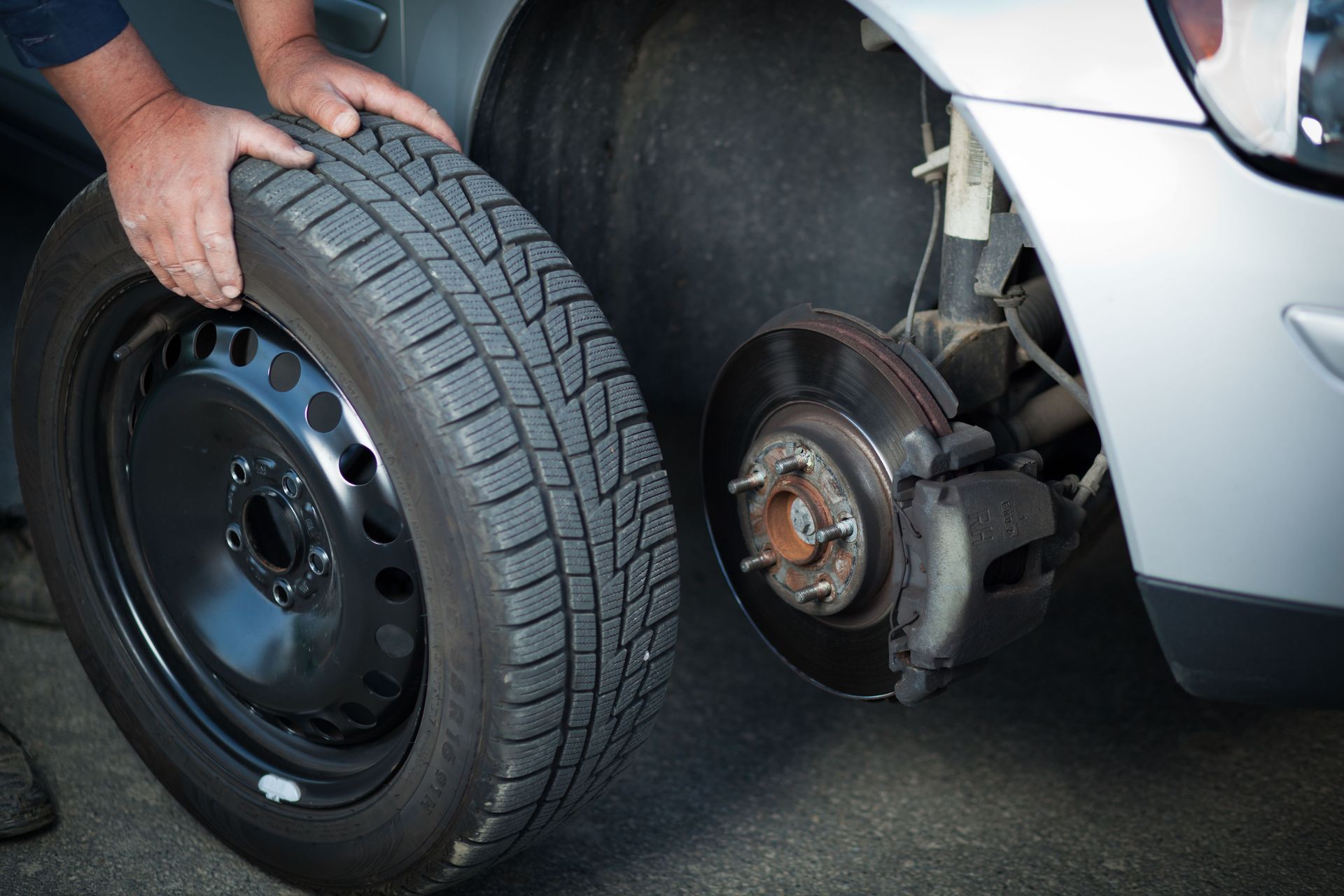
Tire maintenance is another crucial yet often neglected aspect. Regularly checking tire pressure and tread depth ensures not only optimal performance but also safety. Underinflated or overinflated tires affect gas mileage and can lead to dangerous blowouts. Poor tread depth can drastically reduce traction, especially in adverse weather conditions. Regularly rotating tires as part of routine maintenance helps in preserving even tire wear and enhances their longevity.
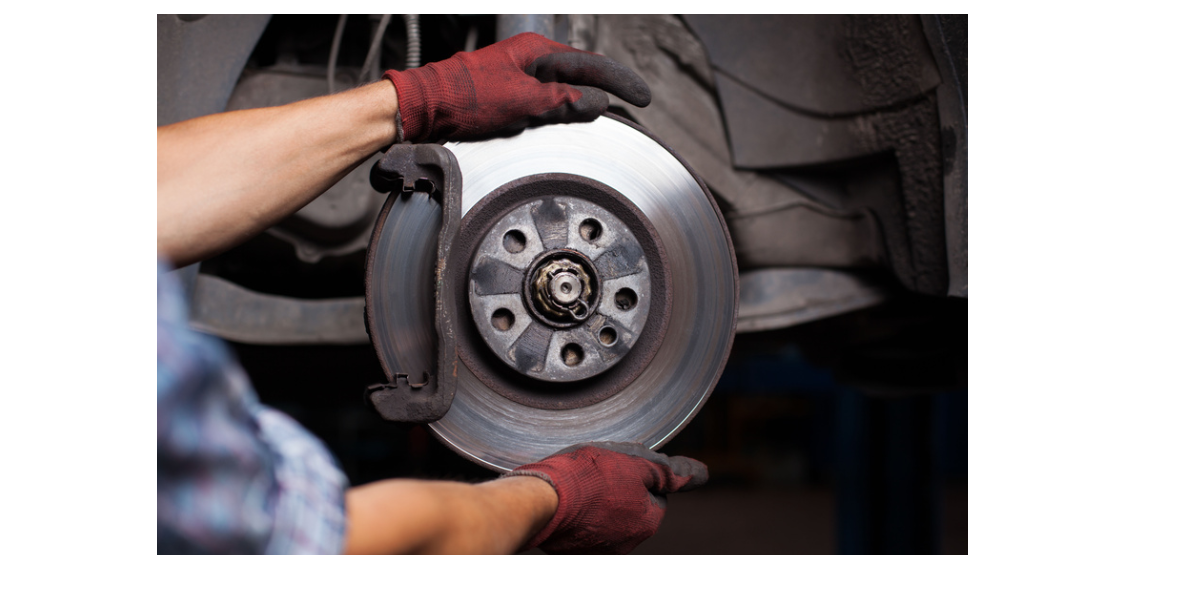
Fluid checks are often bypassed, despite their critical role in vehicle health. Transmission fluid, brake fluid, and coolant levels should be inspected regularly to ensure the vehicle operates smoothly. Low coolant levels can cause overheating, potentially resulting in engine damage. Similarly, insufficient brake fluid affects braking efficiency and is a significant safety hazard. Including fluid checks in regular maintenance schedules is vital for preventing costly repairs and ensuring vehicle safety.
The Cost of Routine vs. Delayed Maintenance
The cost of delaying vehicle maintenance can often outweigh the savings made by postponing routine checks. Regular maintenance typically involves small fees for parts and labor, such as oil changes and filter replacements. These preventative measures are less expensive than dealing with major repairs stemming from prolonged negligence. For instance, replacing a timing belt costs significantly less than engine repairs, which can result from ignoring such maintenance. Regular care keeps the vehicle running efficiently, avoiding exorbitant expenses related to neglect.
Ignoring routine maintenance tasks can have long-term financial implications, turning minor issues into costly repairs. Over time, undiagnosed problems can exacerbate, leading to substantial damage. For instance, a leaking radiator can cause engine overheating, leading to a complete engine rebuild if unattended. Therefore, ensuring regular maintenance can save vehicle owners from unexpected repair bills and extend the vehicle’s operational life significantly. Planning ahead for these small expenses can also help in budgeting for vehicle upkeep without causing financial strain.
Moreover, maintaining a consistent maintenance schedule significantly affects a vehicle's resale value. Potential buyers look for well-documented maintenance records that assure them of the vehicle's condition. On the other hand, a vehicle with poor maintenance history or one that has had substantial repairs can deter buyers or attract lower offers. Regular repairs and checkups produce confidence in the buyer, resulting in an increment in the vehicle's market value. Thus, while routine maintenance may initially appear as an expense, it offers financial returns in terms of a higher resale value.
Manufacturer Guidelines and Importance
Manufacturers provide detailed guidelines on when specific maintenance tasks should be performed. These guidelines are crafted based on extensive research and testing for each vehicle model. Adhering to these schedules ensures the car operates smoothly and efficiently under various conditions. They recommend intervals for oil changes, timing belt replacements, and other crucial tasks to enhance vehicle performance and safety. Ignoring these recommended intervals can lead to premature wear and substantial repair costs, impacting both vehicle longevity and owner finances.
Manufacturer guidelines also include important information about the type and specifications of parts and fluids suitable for a vehicle. This data is essential, as using incorrect components can lead to inefficiencies and damage to vehicle systems. For example, using the wrong type of engine oil can result in inefficient lubrication, leading to mechanical issues. By following the manufacturer’s recommendations, owners ensure that the vehicle's systems work harmoniously, maximizing efficiency and reliability. This adherence minimizes the risk of errors that might occur with the use of incompatible parts or services.
Moreover, manufacturer guidelines play a vital role in maintaining warranty coverage. Many warranties require proof of adherence to recommended maintenance schedules to remain valid. Skipping or performing maintenance outside of authorized guidelines can void warranties, leaving owners unprotected against unexpected repair costs. Ensuring regular maintenance in line with these guidelines not only keeps the vehicle in optimal condition but also safeguards against potential financial liabilities. Thus, following manufacturer guidance is both a safety and economic imperative for responsible vehicle ownership.
Advancements in diagnostic technologies enable vehicle owners to identify potential issues before they escalate. On-board diagnostics (OBD) systems, now standard in most vehicles, offer real-time data about engine performance and other critical systems. According to The Harris Poll, Four-in-ten (39%) vehicle owners have delayed expected vehicle servicing or repairs as a result of COVID-19. These systems trigger dashboard alert lights, helping owners understand when something might be amiss. Utilizing these diagnostics tools effectively requires knowledge about what each alert represents and when professional intervention is necessary. Investing time in understanding such technologies aids in making informed decisions about maintenance and repairs. Be sure to reach out to Bradford Autocare LLC today to learn more about our professional auto repairs!
Share On: