
Understanding the Costs of Auto Brake Repair Services
Ensuring the safety, reliability, and responsiveness of a motor vehicle requires maintaining its most critical active safety system: the brakes. Every time a driver presses the brake pedal, complex hydraulic mechanisms, high-friction pad materials, specialized rotors, and electronic calipers work in unison to bring several tons of steel to a smooth, controlled stop. Over time, the extreme heat, intense pressure, and continuous friction generated during daily commuting naturally wear down these high-tolerance components. Postponing routine system evaluations or ignoring subtle warning signs—such as squealing pads, a soft brake pedal, or steering wheel vibrations during stopping—often turns minor component wear into extensive mechanical damage. According to Motor, 46% of drivers say they have paid for a car repair in the past that they believe could have been avoided if they were better about getting scheduled maintenance done. Understanding how individual braking components function, wear down, and impact overall billing totals empowers vehicle owners to make informed decisions regarding routine maintenance. Scheduling timely auto brake repair services preserves vehicle stopping performance, protects delicate hydraulic assemblies, and keeps long-term automotive ownership expenses predictable and manageable.
Replacing Friction Pads and Inspecting Wear Sensors
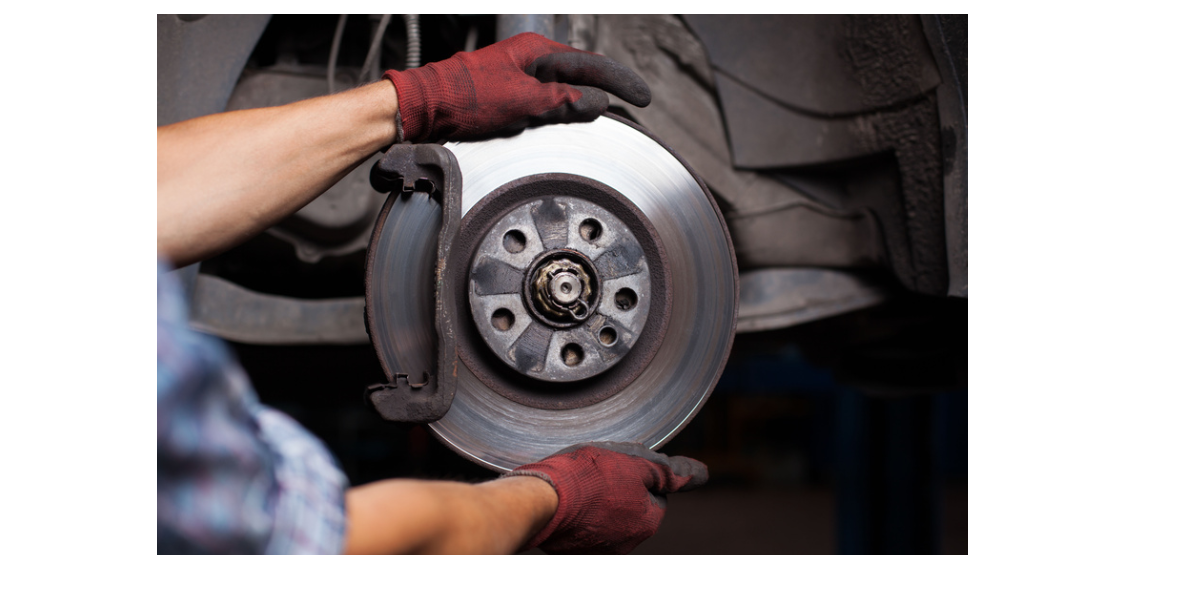
Replacing worn brake pads represents the most frequent routine maintenance task associated with keeping a vehicle’s stopping mechanism in peak operational condition. Brake pads consist of dense friction material bonded to sturdy steel backing plates. Whenever the driver depresses the brake pedal, internal hydraulic fluid pushes caliper pistons, pressing the pad surfaces firmly against both sides of the rotating metal rotor. This intense contact creates the friction required to slow down the wheels, gradually wearing away the sacrificial pad material over time. Higher costs surface when vehicles utilize high-performance ceramic or semi-metallic pad formulations rather than basic organic compounds, though advanced materials offer superior heat dissipation, quieter operation, and extended service life. Furthermore, modern luxury and electric vehicles often feature electronic wear sensors that trigger dashboard notifications when pad thickness drops below safe thresholds, adding minor component costs during replacement. Scheduling periodic inspections for auto brake repair services ensures that friction pads are replaced long before bare metal backing plates grind against expensive rotors.
Resurfacing or Replacing Damaged Brake Rotors
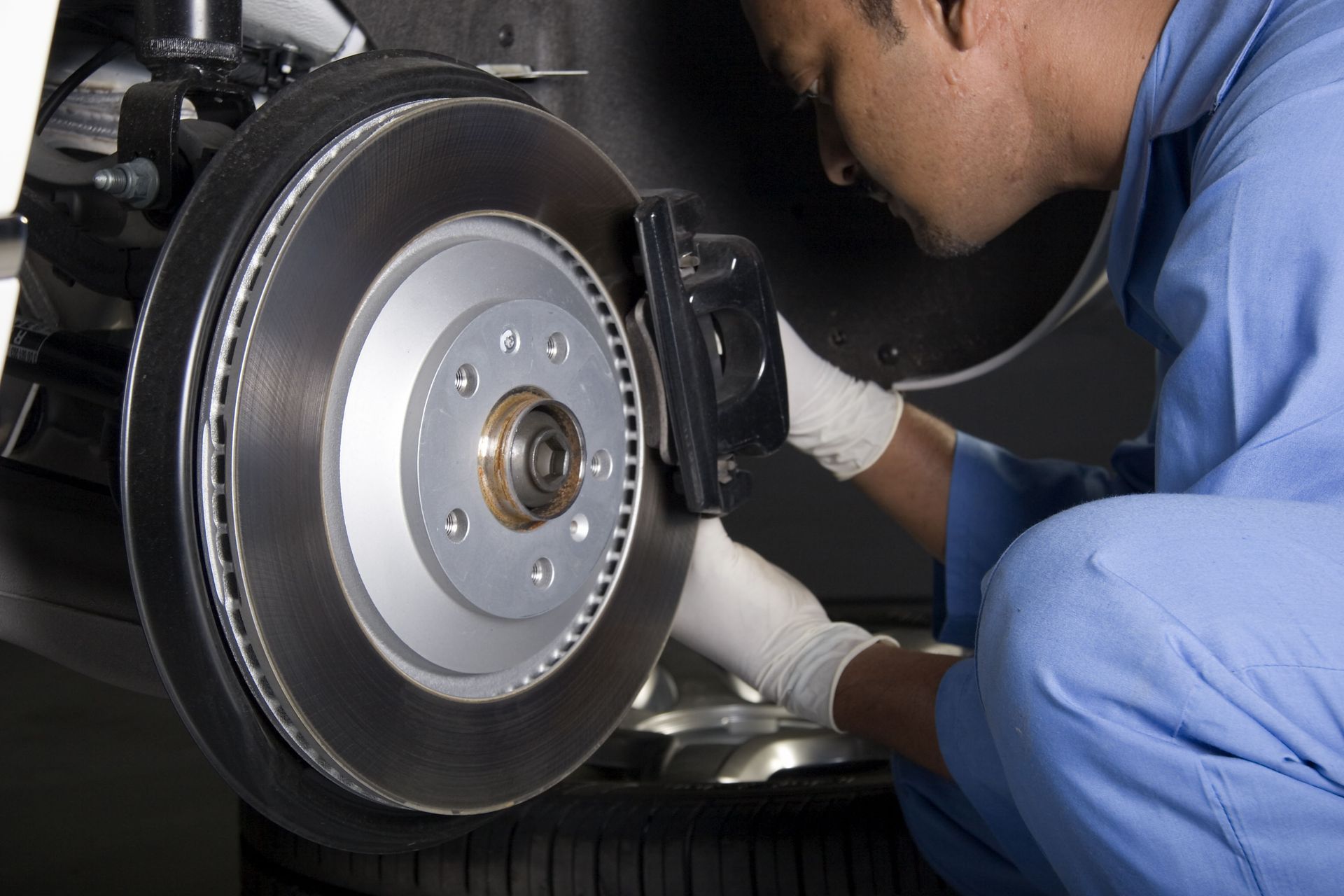
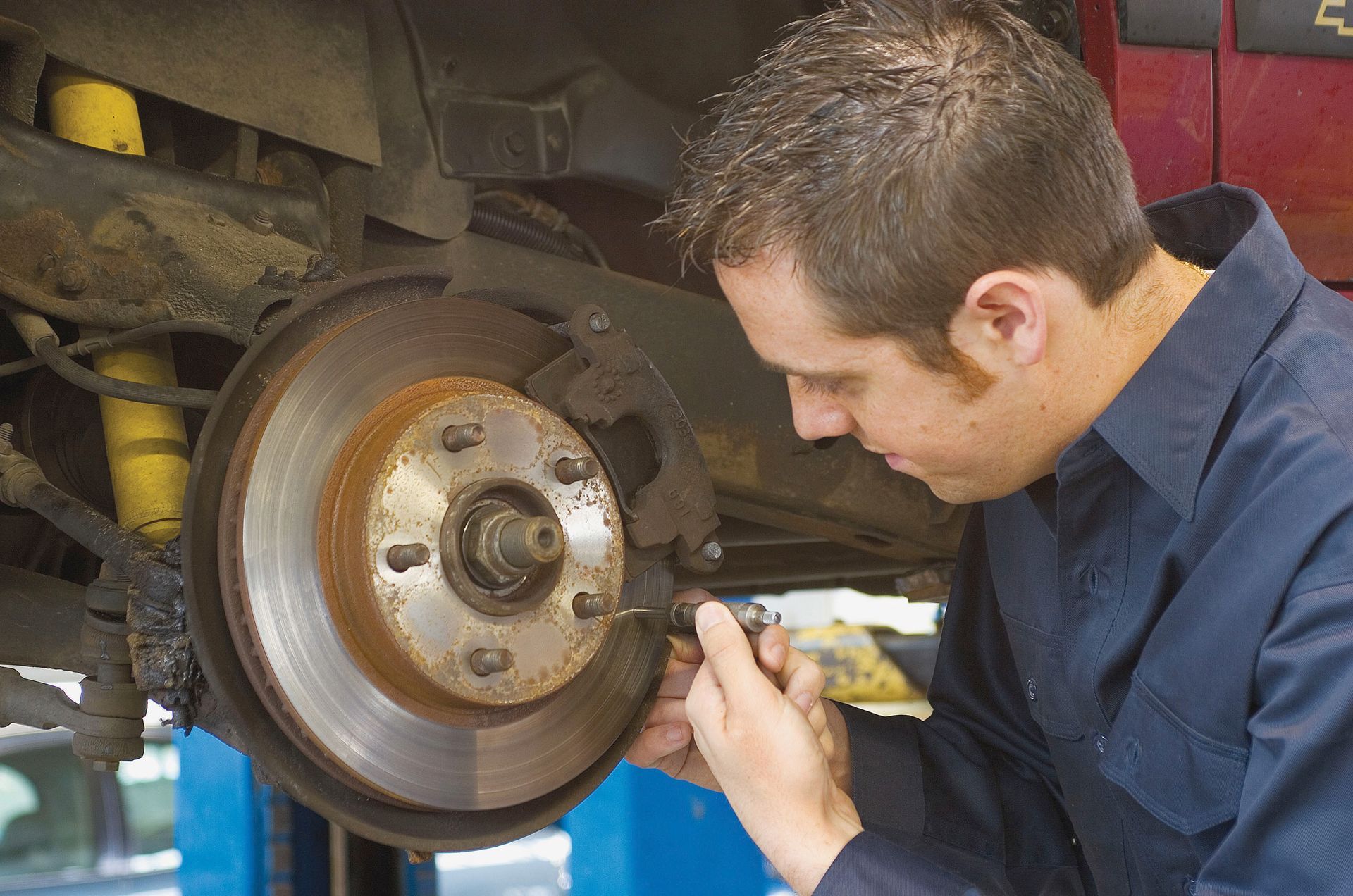
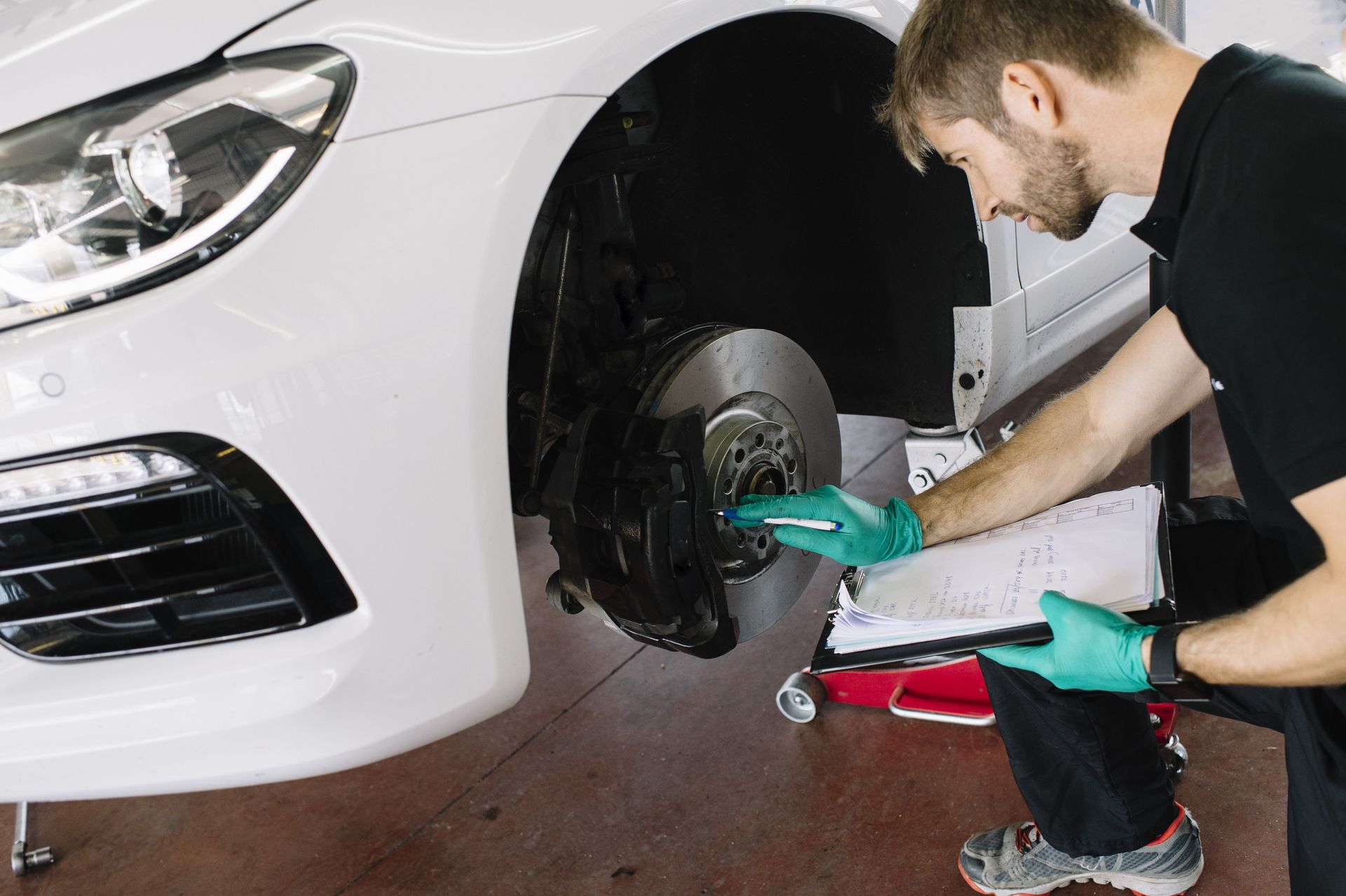
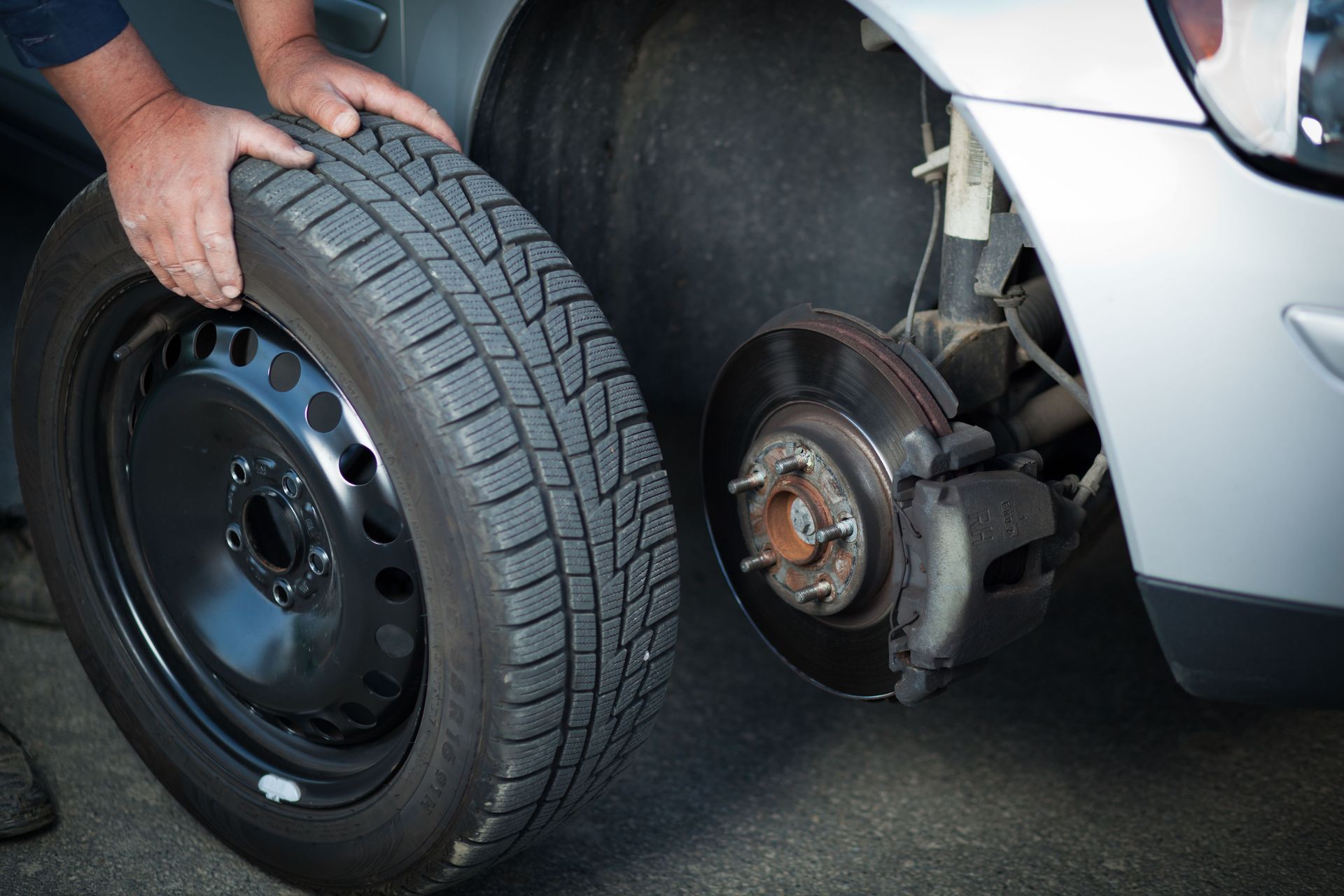
Evaluating the structural condition of brake rotors determines whether these heavy metal discs can be resurfaced on a lathe or must be completely replaced. Rotors attach directly to the wheel hub, spinning alongside the tires and absorbing immense amounts of kinetic heat whenever friction pads clamp down upon them. Over months of heavy stopping, rotors suffer from thermal warping, surface grooving, and uneven thickness variation. When rotors develop minor surface imperfections but retain sufficient metal thickness above minimum safety margins, technicians can turn them on a specialized lathe to restore a completely flat, smooth friction surface. However, if rotors are worn below minimum thickness specifications, severely warped from extreme heat, or deeply grooled by worn-down pad backings, total replacement becomes mandatory. Replacing rotors adds to total material costs, but attempting to install fresh brake pads onto damaged or thin rotors results in severe pedal pulsing, noisy operation, and accelerated pad wear. Investing in expert auto brake repair services guarantees that your rotors are measured accurately and properly serviced for optimal friction contact.
Servicing Caliper Assemblies and Hydraulic Pistons
Servicing mechanical calipers and internal hydraulic pistons keeps the clamping mechanism moving freely across guide pins without binding or sticking. The brake caliper acts as the muscle of the braking system, housing the hydraulic pistons that force friction pads against the spinning rotor when pressurized fluid arrives from the master cylinder. Because calipers operate exposed to road debris, moisture, road salt, and extreme temperature swings, their internal rubber boots, guide pins, and slide channels can corrode or collect debris over time. A sticking caliper pin or frozen piston prevents the pads from releasing fully after the driver lifts off the brake pedal, causing continuous friction against the rotor. This constant drag rapidly overheats the braking assembly, burns through pad material, warps rotors, and severely reduces fuel economy. Rebuilding or replacing jammed caliper units requires specialized labor, fluid line disconnection, and complete system bleeding, which increases overall repair expenses. Relying on professional auto brake repair services prevents caliper binding and ensures smooth, balanced clamping force at every wheel.
Flushing Contaminated Fluid and Bleeding Lines
Flushing old hydraulic fluid and purging trapped air pockets from internal lines restores firm pedal response and protects sensitive internal hydraulic valves. Automotive brake fluid is hygroscopic, meaning it continuously absorbs ambient moisture from the atmosphere through microscopic pores in flexible rubber hoses and reservoir caps. Performing a complete fluid flush replaces dirty, moisture-laden fluid with fresh, high-boiling-point fluid while removing trapped air bubbles throughout the entire hydraulic circuit. Routine fluid maintenance performed during auto brake repair services safeguards expensive hydraulic controls and maintains immediate, responsive braking action.
Fixing Electronic Sensors and Anti-Lock Controls
Troubleshooting advanced electronic control units, wheel speed sensors, and Anti-Lock Braking System modules addresses complex modern safety features beyond traditional mechanical components. Contemporary vehicles rely heavily on computerized traction management systems, automatic emergency braking features, and stability controls to keep drivers safe in hazardous conditions. Wheel speed sensors mounted at each hub continuously monitor rotational speed, sending real-time data to the central control computer. If a sensor fails due to road debris damage, severe corrosion, or broken wiring harnesses, the vehicle's Anti-Lock Braking System and electronic stability features automatically deactivate, illuminating warning indicators on the instrument cluster. Diagnostic labor for reading electronic trouble codes, tracing delicate electrical circuits, and replacing specialized sensors introduces additional costs beyond standard mechanical pad replacements. However, resolving electronic fault codes promptly restores critical automated safety features that prevent wheel lockup and skidding during sudden emergency stops. Seeking specialized diagnostic expertise through auto brake repair services ensures that digital anti-lock components communicate flawlessly with your vehicle's mechanical brakes.
Managing Hardware Upgrades and Labor Demands
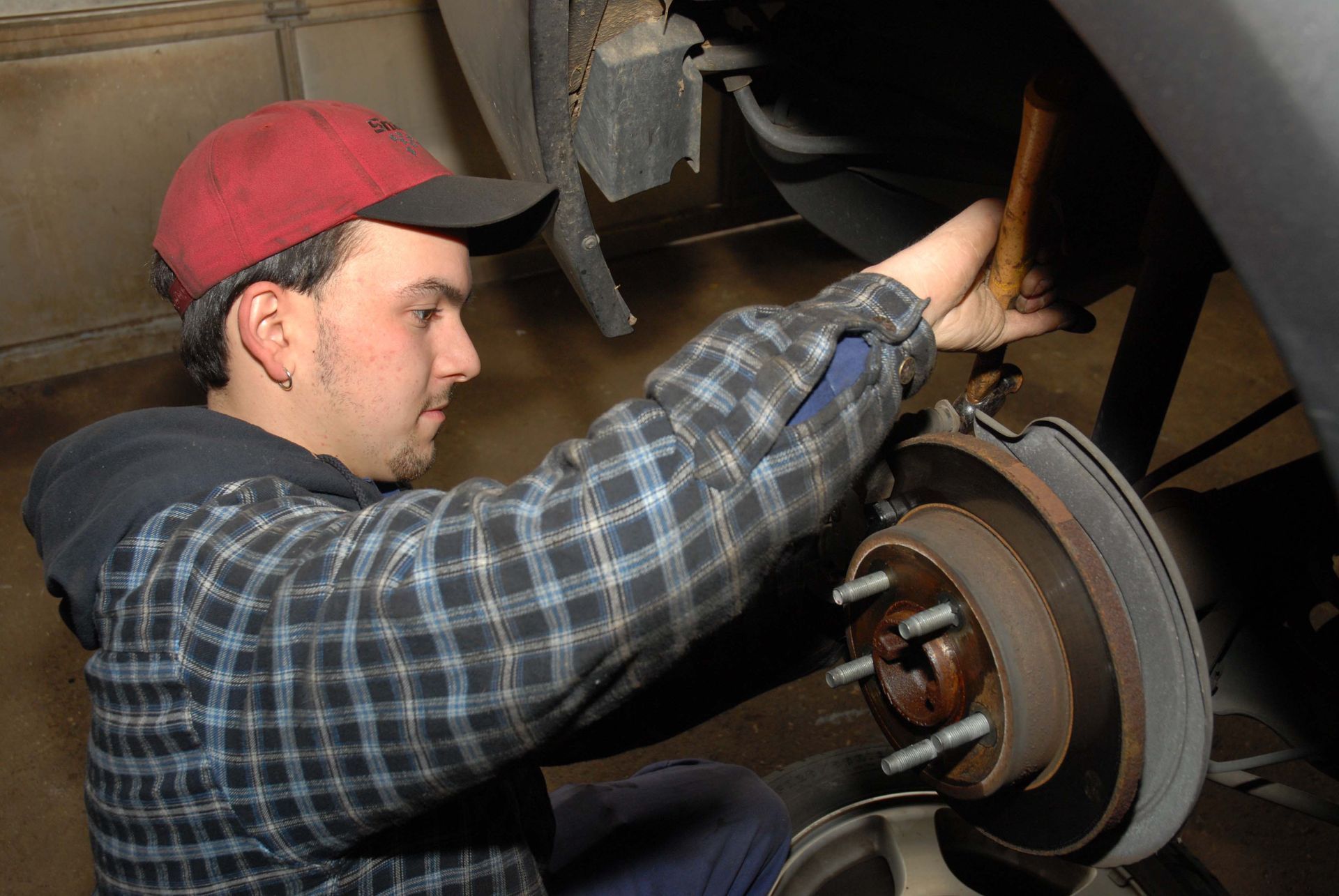
Factoring total labor demands, specialized shop tools, and hardware replacement packages clarifies how total service invoices are calculated. Beyond the primary pads, rotors, and calipers, a complete, professional brake job requires replacing essential supporting hardware, including anti-rattle clips, pad return springs, rubber dust boots, and specialized high-temperature lubricants. Omitting fresh hardware leads to annoying pad chatter, uneven pad movement, and premature component noise, compromising the quality of the repair. Utilizing certified technicians guarantees that correct factory procedures, torque specifications, and hardware packages are applied without taking shortcuts. Entrusting your vehicle to qualified providers of auto brake repair services ensures durable craftsmanship, complete financial transparency, and lasting stopping confidence.
Maintaining a healthy vehicle braking system requires regular inspection of friction pads, accurate rotor measurements, caliper maintenance, routine hydraulic fluid flushes, precise electronic sensor diagnostics, and proper hardware replacement. Understanding these core components illuminates how timely mechanical adjustments protect high-value hydraulic assemblies and prevent severe secondary damage across your vehicle's undercarriage. Taking a proactive approach to automotive maintenance eliminates unexpected mechanical breakdowns, preserves immediate stopping power, and delivers smooth, predictable driving performance on every journey. Protecting your household and vehicle investment requires partnering with dedicated automotive technicians who combine extensive mechanical expertise with honest customer care. At Bradford Autocare LLC, we take immense pride in delivering top-tier mechanical diagnostics, precise brake system rebuilds, quality fluid services, and transparent customer communication across every vehicle we service. Contact us today to schedule your comprehensive brake safety inspection, receive an accurate repair estimate, and discover how our experienced team can keep your vehicle stopping safely and smoothly for miles to come.

Share On: