
Why You Should Prioritize Wheel Alignment Services and How to Find Them
Finding the right wheel alignment services is crucial for the longevity of your tires and the overall performance of your vehicle. Proper alignment ensures that your vehicle drives smoothly and efficiently, making it a fundamental aspect of automotive maintenance. Let's delve into the intricacies of wheel alignment and explore comprehensive insights to aid you in making informed decisions.
Recognizing the Importance of Wheel Alignment
What is Wheel Alignment?
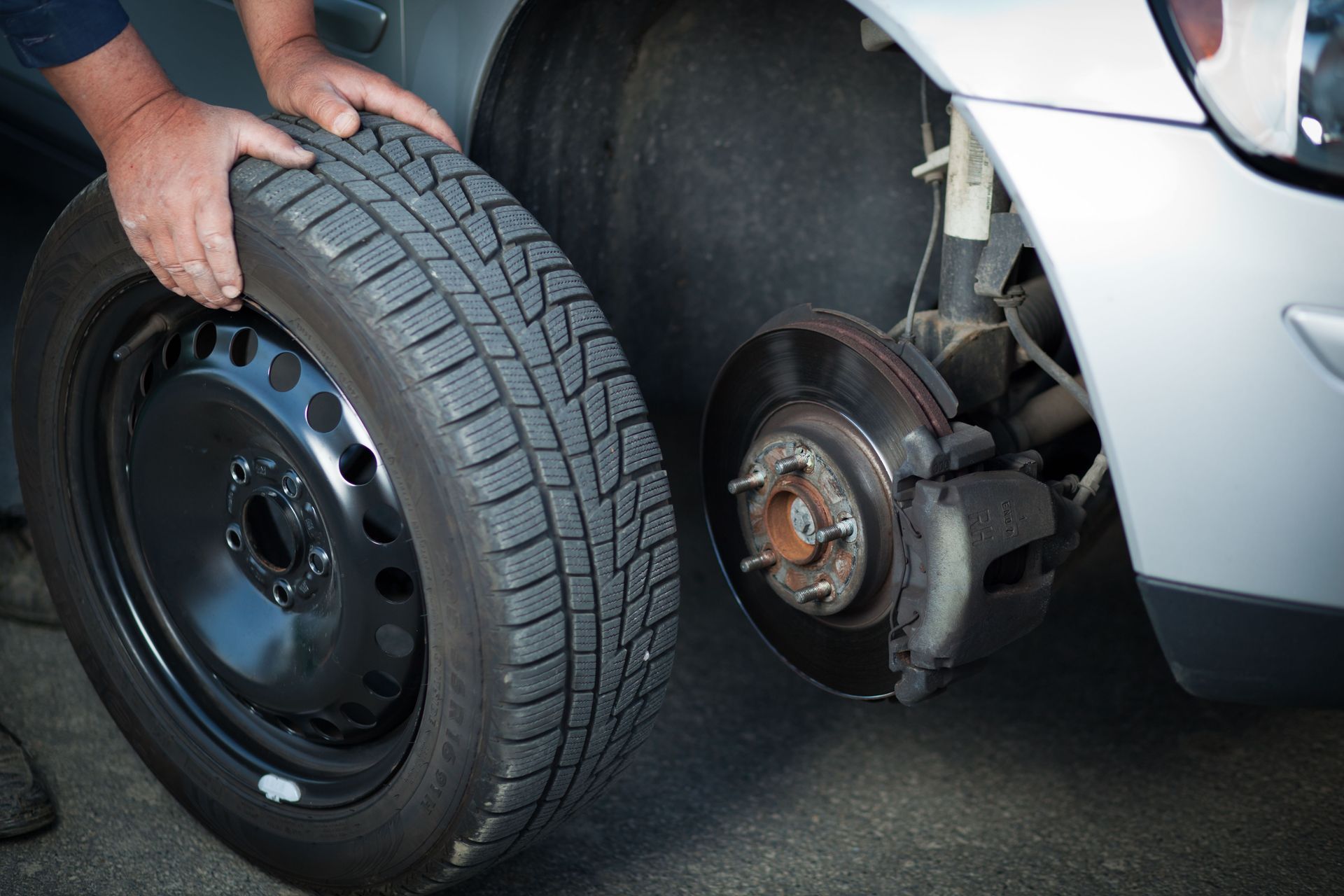
Wheel alignment refers to the adjustment of a vehicle's suspension system, which is the system that connects a vehicle to its wheels. Proper alignment of the wheels ensures that they are parallel and that the tires make contact with the road at the correct angle. This not only enhances the lifespan of the tires but also contributes to optimal vehicle handling and safety. Regular checks and adjustments are essential to keep your wheels aligned and to prevent unnecessary strain on the suspension components. Without proper wheel alignment services, vehicles can experience increased fuel consumption and poor road handling.
Signs Your Vehicle Needs Wheel Alignment
Recognizing when your vehicle needs a wheel alignment can save you from costly repairs down the line. One primary symptom is uneven tire wear, which often appears as excessive wear on one side of the tires. Drivers might notice their vehicle pulling to one side, a crooked steering wheel while driving straight, or an unusual steering wheel vibration. If any of these symptoms are present, it might be time to schedule an alignment service.
Benefits of Proper Wheel Alignment
There are numerous benefits to ensuring that your wheel alignment is up to par. Proper alignment improves fuel efficiency by reducing the resistance created by improperly aligned tires, allowing your vehicle to move smoothly on the road. Along with better fuel economy, you'll also notice enhanced driving comfort, with the vehicle maintaining a stable direction without excessive steering correction. Additionally, aligned wheels reduce the stress exerted on the vehicle's suspension and steering systems, prolonging the life of these critical components. Regular alignment checks preserve the integrity of your tires, preventing premature wear and extending their service life.
Consequences of Ignoring Wheel Alignment
Ignoring wheel alignment can lead to severe and costly consequences. Misaligned wheels can cause rapid tire wear and a decrease in vehicle control, especially during inclement weather or emergency maneuvers. Over time, this misalignment can inflict extensive damage on the suspension system, resulting in expensive repairs. Furthermore, the instability caused by poor alignment can negatively impact fuel consumption, making your vehicle less efficient. Addressing alignment issues promptly can prevent these problems, ensuring safety and maintaining vehicle performance.
How Often Should Wheel Alignment Be Done?
The frequency of wheel alignment depends significantly on vehicle type, driving conditions, and manufacturer's recommendations. According to The Globe and Mail, you should get your wheels aligned every two to three years. If you frequently drive on rough roads or experience significantly uneven tire wear, more frequent checks might be necessary. Additionally, following a significant impact, such as hitting a pothole or curb, an alignment should be assessed to note any potential misalignment. Upholding these routine checks will maintain optimal vehicle performance and safety.
Choosing the Types of Wheel Alignment Services Available
Two-Wheel Alignment
Two-wheel alignment, also known as front-end alignment, centers on adjusting the angles of the front wheels. It's a common practice for vehicles with solid rear axles, where adjustments to rear angles are unnecessary. This service corrects key alignment angles, such as toe and camber, that impact steering and tire wear. Effective for certain vehicle types, it helps in maintaining straight tracking and minimizing uneven tire wear. While it might seem limited, it's a cost-effective solution for vehicles not needing rear alignment adjustments.
Four-Wheel Alignment
Four-wheel alignment is a comprehensive process focusing on adjusting all four wheels. Unlike two-wheel alignment, it includes the rear wheel alignment angles crucial for independent rear suspension systems. This service ensures that all four wheels are parallel and that they function in harmony, providing balanced tire contact with the road. It's particularly vital for all-wheel-drive vehicles and ensures improved vehicle control and safety. Four-wheel alignment is a standard for most modern vehicles, promoting even tire wear and efficient fuel consumption.
Thrust Alignment
Thrust alignment services align the rear wheels of the vehicle to maintain consistency with the front axle. It's optimal for cars with a rear solid axle and assesses the perpendicularity of the rear axle concerning the vehicle's centerline. This method ensures that the steering wheel is centered and that the vehicle tracks straight. A thrust angle alignment is crucial for vehicles with non-adjustable rear suspension or when front-wheel alignment is adjusted without impacting rear axle settings. It guarantees that the trajectory of the vehicle correlates accurately with its intended path.
Laser Alignment
Laser alignment technology is a modern advancement that provides precise measurements for wheel alignment. Utilizing lasers, this method captures up to 1/1000th of a degree of measurement accuracy, offering superior alignment corrections. It eliminates manual errors and promotes uniform tire wear, translating into fewer alignment corrections over time. The benefits of laser alignment are undeniable, with significant improvements in precision compared to traditional methods. Investing in laser alignment provides assurance of precision, enhancing vehicle handling and longevity.
Selecting a Reliable Wheel Alignment Service
Industry Certifications
When selecting a wheel alignment services, industry certifications play a crucial role. Certifications like ASE, which stands for Automotive Service Excellence, attest to the technical competencies of the service facility. These certifications reassure customers that technicians are trained to industry standards and employ best practices in their work. Evaluating the presence of such certifications can aid in identifying quality services, minimizing potential risks or errors. Selecting certified providers ensures that your vehicle receives expert care and precise alignment procedures, fostering peace of mind.
Technician Expertise
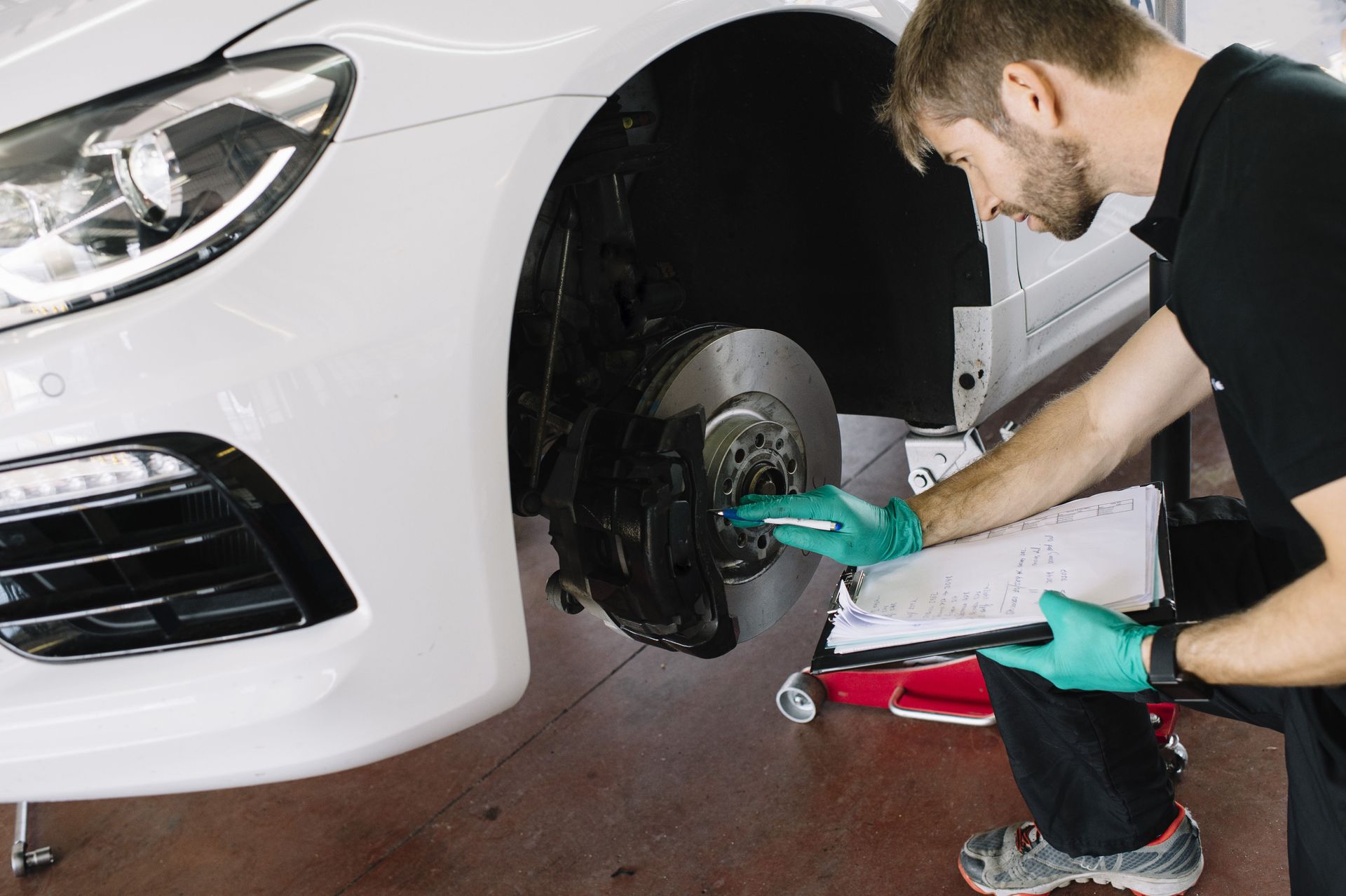
The expertise of technicians performing wheel alignment services is equally significant as the technology they employ. An experienced technician can diagnose issues more accurately and execute precise alignments. When assessing a service provider, inquire about the technicians' training levels and years of experience in alignment procedures. Expertise is paramount in addressing diverse vehicle types and unique alignment needs, contributing to effective services. Ultimately, trusted technicians equate to reliable services, ensuring your vehicle's optimal performance.
State-of-the-Art Equipment
Modern alignment equipment is integral to achieving accurate and consistent results. State-of-the-art machinery not only streamlines the alignment process but also enhances its precision, safeguarding the integrity of the procedure. Alignment machines equipped with advanced diagnostics mitigate the risk of inaccuracies, providing comprehensive results for optimal adjustments. Investing in services with updated technologies ensures superior outcomes and significantly reduces the likelihood of repeat visits. The role of top-tier equipment cannot be overstated in delivering high-quality and dependable alignment services.
Customer Reviews and Testimonials
Customer reviews and testimonials are valuable resources when selecting a reliable wheel alignment service. They provide insights into the service quality and customer satisfaction levels from the perspective of those who have experienced the service firsthand. Analyzing reviews for patterns regarding service reliability, timeliness, and customer service can guide your choice. Pay special attention to comments about successful alignments and satisfactory experiences, as these indicate trustworthiness. While every service may have isolated critiques, the overall sentiment of reviews can be a telling indicator of service quality.
Warranty and Follow-Up Services
Warranty and follow-up services are critical in assessing a service provider's commitment to customer satisfaction and quality assurance. A warranty guarantees that any issues emerging shortly after the alignment will be addressed without additional charges. Follow-up services demonstrate professionalism and a willingness to ensure that customers are fully satisfied with the services rendered. Understanding these aspects before committing to a service can protect you from unforeseen expenses and reinforce confidence in your alignment choice. Opting for services with robust warranties and diligent follow-ups signifies a reliable and customer-focused business model.
Choosing the right wheel alignment services is an integral part of vehicle maintenance. Proper alignment extends tire life, enhances vehicle performance, and improves safety, making its maintenance pivotal. By reaching out to the experts at Bradford Autocare LLC, you can ensure your vehicle is working at optimal performance.



Share On: